
Busting Common Myths About Fishing Regulations


Understanding Fishing Regulations
Fishing regulations can often seem complex and confusing, leading to several myths and misconceptions. Understanding these regulations is essential for sustainable fishing and ensuring the health of our aquatic ecosystems. In this post, we'll debunk some common myths about fishing regulations to help you fish responsibly.

Myth 1: Fishing Regulations Are the Same Everywhere
One common misconception is that fishing regulations are universal. In reality, regulations vary significantly by location. Different states, provinces, and countries have their own rules based on the specific needs of their ecosystems. It's crucial to research and understand the regulations in the area where you plan to fish.
For example, what might be permissible in one state could be illegal in another. Always check local guidelines before casting your line to avoid fines and contribute to conservation efforts.
Myth 2: Catch and Release Means No Regulations
Many anglers believe that catch and release fishing is exempt from regulations. However, even catch and release has specific rules. These can include restrictions on the type of bait or hooks used, as well as guidelines on how to handle and release fish safely to minimize harm.
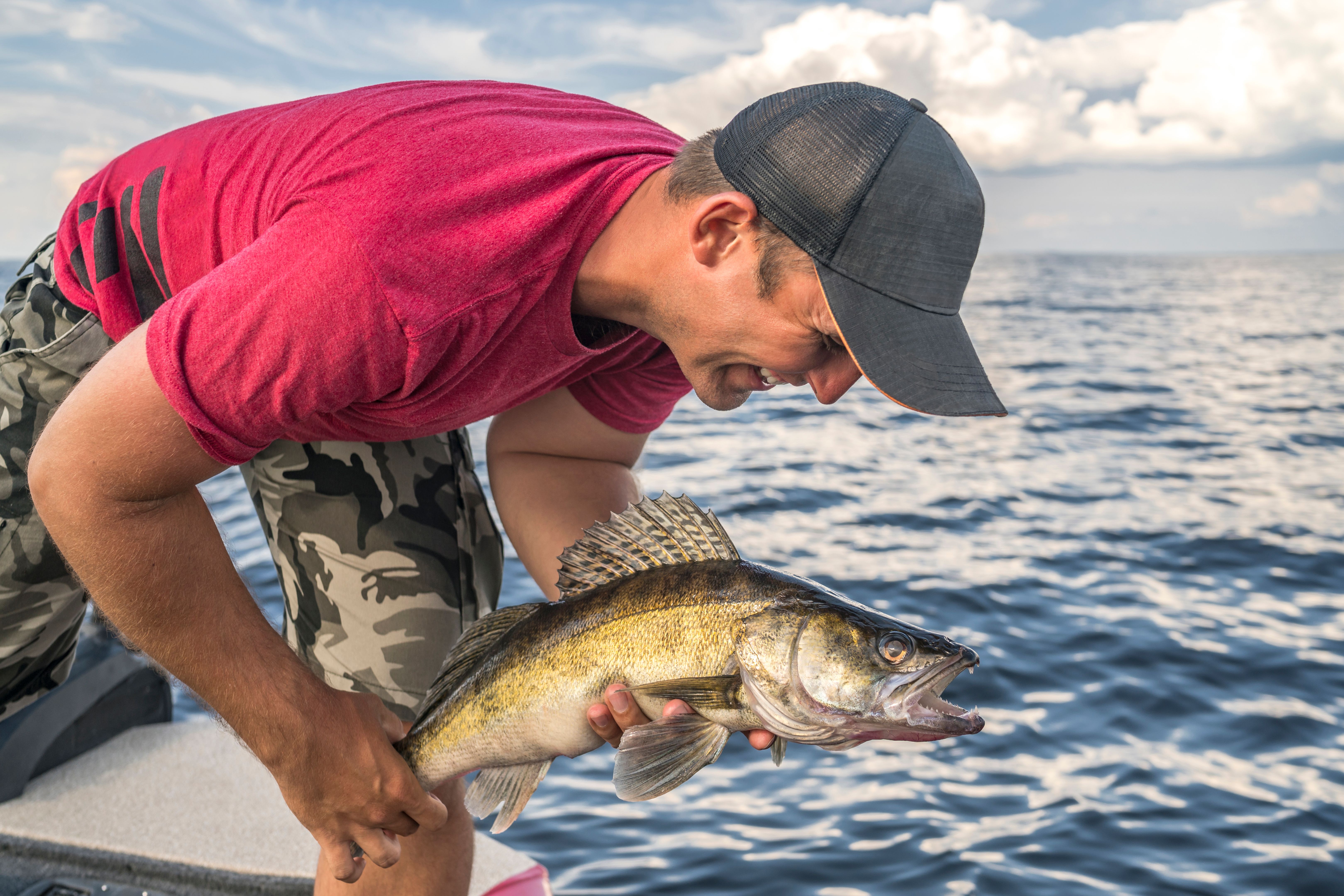
Proper catch and release techniques are essential for the well-being of fish populations. Ensure you are familiar with these regulations to support sustainable fishing practices.
Myth 3: Size Limits Are Suggestions
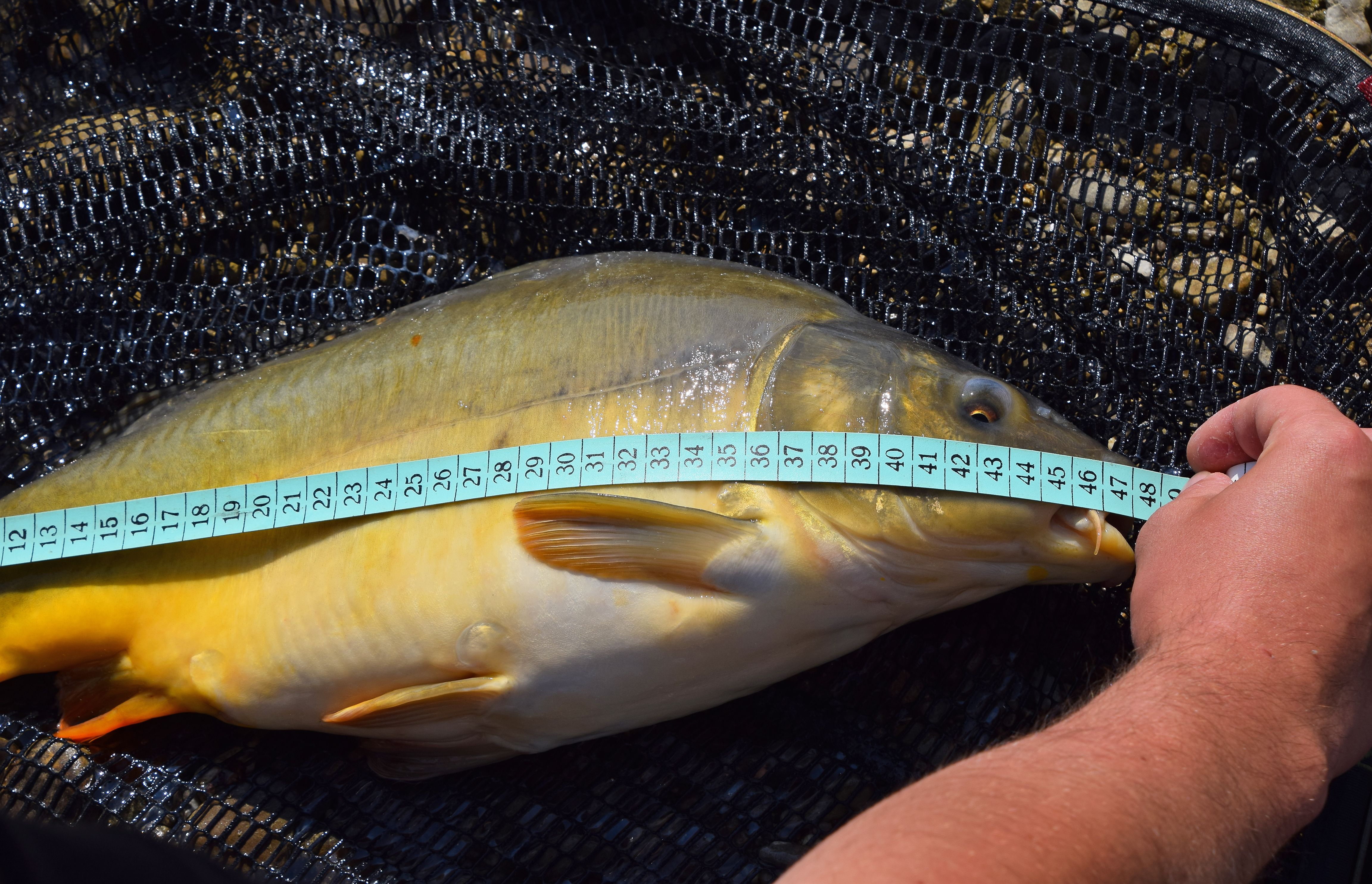
Size limits on fish are not mere suggestions—they are critical regulations designed to protect young fish and ensure healthy breeding populations. By adhering to size limits, anglers help maintain the balance of fish populations, allowing them to thrive and reproduce effectively.
Ignoring size limits can lead to overfishing and put certain species at risk. Always measure your catch and release any fish that do not meet the specified size criteria.
Myth 4: Fishing Licenses Are Unnecessary
Some people assume that fishing licenses are not necessary, especially if they fish infrequently. However, licenses are crucial for regulating and funding conservation efforts. They help authorities monitor fish populations and invest in research and habitat restoration.
Purchasing a fishing license is a simple way to contribute to the preservation of aquatic environments. It also shows your commitment to responsible angling.
Myth 5: All Fish Species Are Regulated the Same
Not all fish species are subject to the same regulations. Certain species may have more stringent rules due to their ecological importance or vulnerability to overfishing. Understanding the specific regulations for different species is vital for responsible fishing.

Before heading out, educate yourself about the species in the area and any special regulations that apply to them. This knowledge will enhance your fishing experience and contribute to conservation efforts.
By debunking these myths, we hope to promote a deeper understanding of fishing regulations and encourage responsible fishing practices. Remember, being informed and compliant with regulations not only benefits the environment but also enhances your fishing experience. Enjoy your time on the water while contributing to the sustainability of our precious aquatic resources.