
Common Fishing Myths Debunked: What Every Angler Should Know


Myth: Fish Don't Bite When the Weather is Bad
One of the most common myths in fishing is that fish don't bite during bad weather. While it's true that certain weather conditions can impact fish behavior, it doesn't mean they won't bite at all. In fact, some species are more active during overcast or rainy days. The key is to understand how different weather patterns affect the species you're targeting.
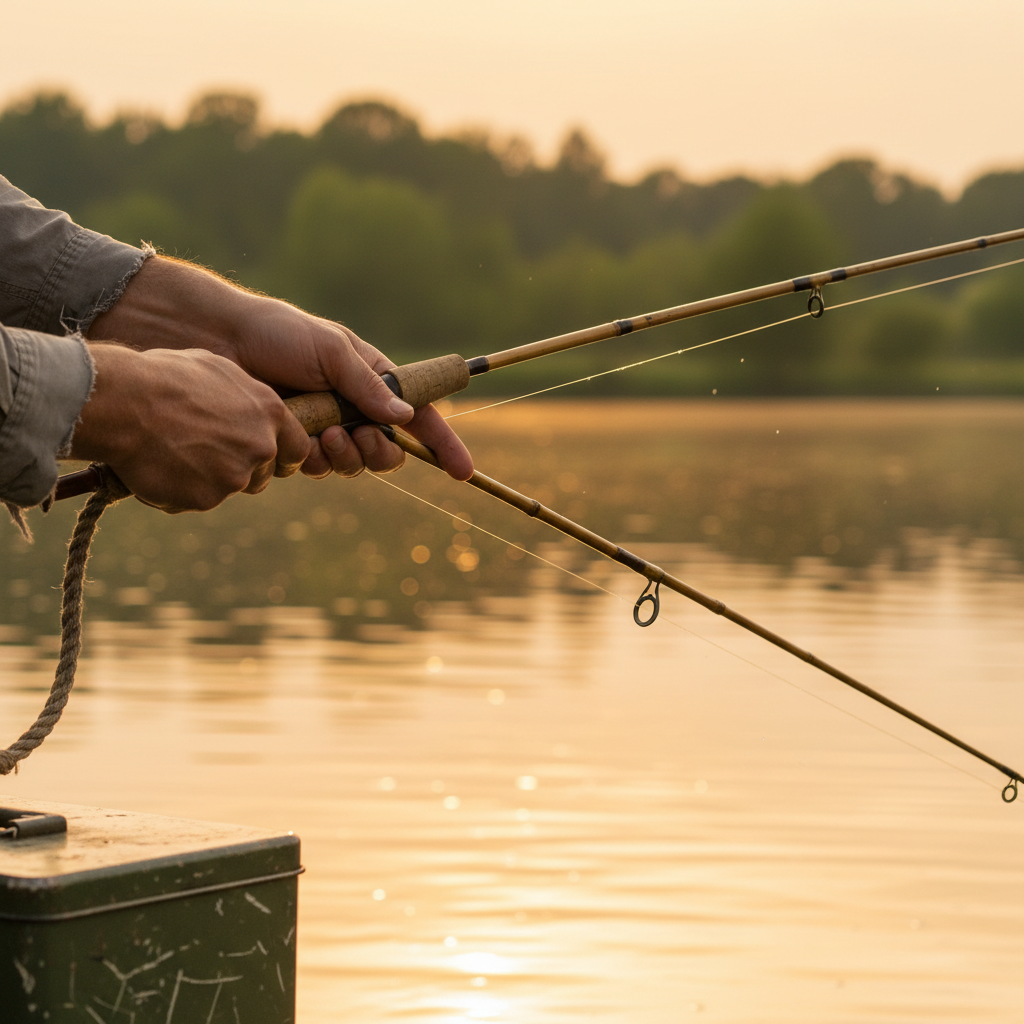
For instance, cloudy skies can reduce light penetration, making fish feel safer and more willing to venture from cover. Rain can also stir up the water, bringing more food to the surface and attracting fish. So next time a storm is brewing, don't be too quick to pack up your gear.
Myth: The Bigger the Bait, the Bigger the Catch
It's a tempting thought that using larger bait will lead to catching larger fish, but this isn't always the case. Fish often prefer bait that matches the size of the prey they naturally hunt. Using oversized bait can sometimes deter rather than attract fish.
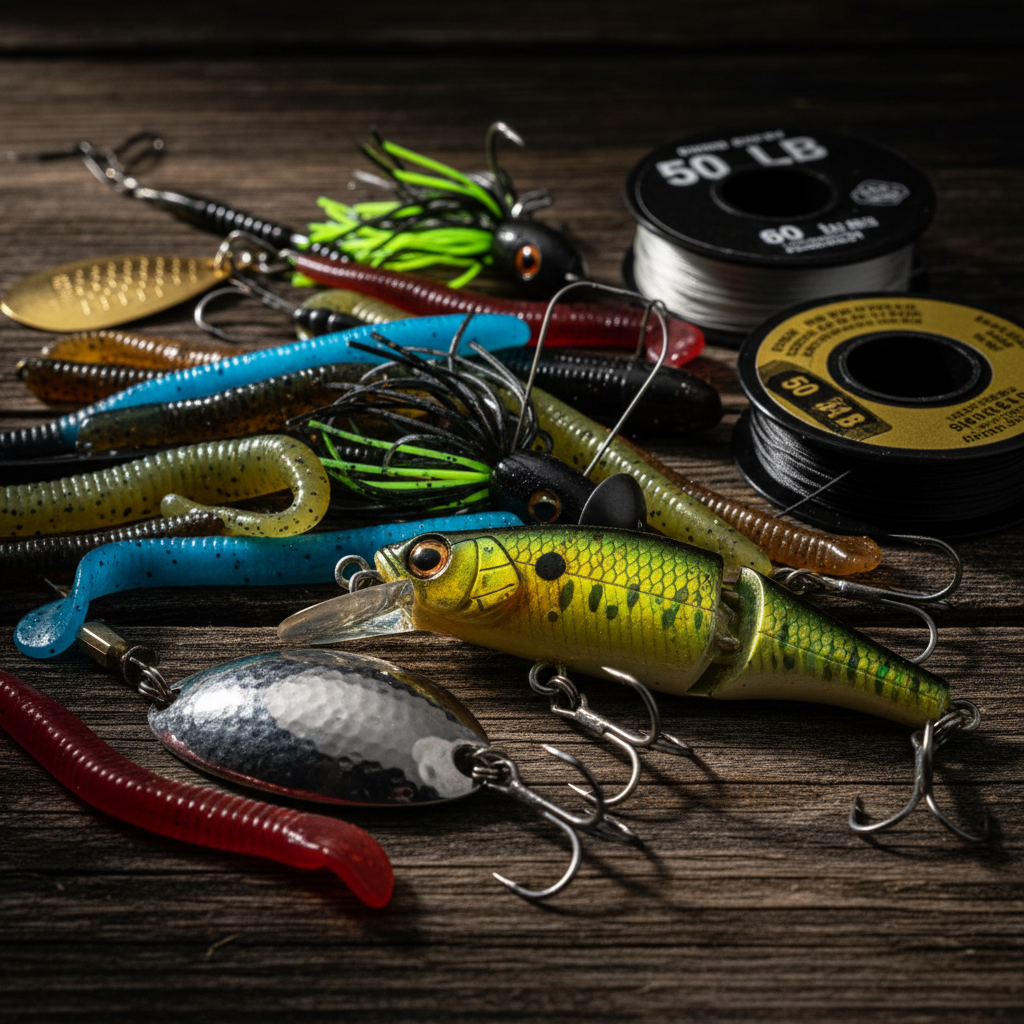
Instead, consider the type of fish you're targeting and their typical diet. Smaller baits often mimic the natural food sources better and can lead to more successful catches. Remember, it's about quality, not quantity, when it comes to selecting bait.
Myth: Fish Are Most Active at Dawn and Dusk
While dawn and dusk are popular times for fishing, they're not the only productive times. Different species have different feeding patterns, and some are active during midday or even at night. Understanding the habits of your target fish can greatly improve your success.
For example, catfish are known to be more active at night, while bass might be more responsive in the early morning or late afternoon. Researching and adapting to the behavior of your target species can lead to better results.
Myth: A Full Moon Means Poor Fishing
Another myth that circulates among anglers is that a full moon negatively impacts fishing. The belief is that fish feed more at night during a full moon, leaving them less hungry during the day. However, this isn't universally true.
While the moon can influence fish behavior due to changes in tides and light, it doesn't necessarily mean poor fishing. Some species may indeed feed more at night, but others might be more active during the day. Observing patterns specific to your fishing location can help debunk this myth.
Myth: Saltwater and Freshwater Fishing Techniques Are Interchangeable
Many anglers assume that techniques used in freshwater fishing will work just as well in saltwater environments and vice versa. However, there are unique challenges and differences between the two that require specialized techniques.
Saltwater fishing often involves dealing with stronger currents, larger fish, and different gear requirements. Freshwater fishing, on the other hand, might focus more on finesse and precision. Tailoring your approach to the specific environment can enhance your fishing experience.
Conclusion
Debunking these common fishing myths can lead to a more successful and enjoyable fishing experience. By understanding the nuances of fish behavior and environmental factors, anglers can improve their techniques and make more informed decisions. Remember, the best anglers are those who are always learning and adapting to new information.