
Comparing Freshwater vs. Saltwater Fishing: Which Is Right for You?


Understanding Freshwater and Saltwater Fishing
Fishing is a popular pastime enjoyed by millions worldwide. Whether you're a seasoned angler or a curious beginner, deciding between freshwater and saltwater fishing can be a tough choice. Each offers unique experiences and challenges that cater to different preferences and skill levels. Let’s dive into the differences and help you decide which is right for you.
Location and Accessibility
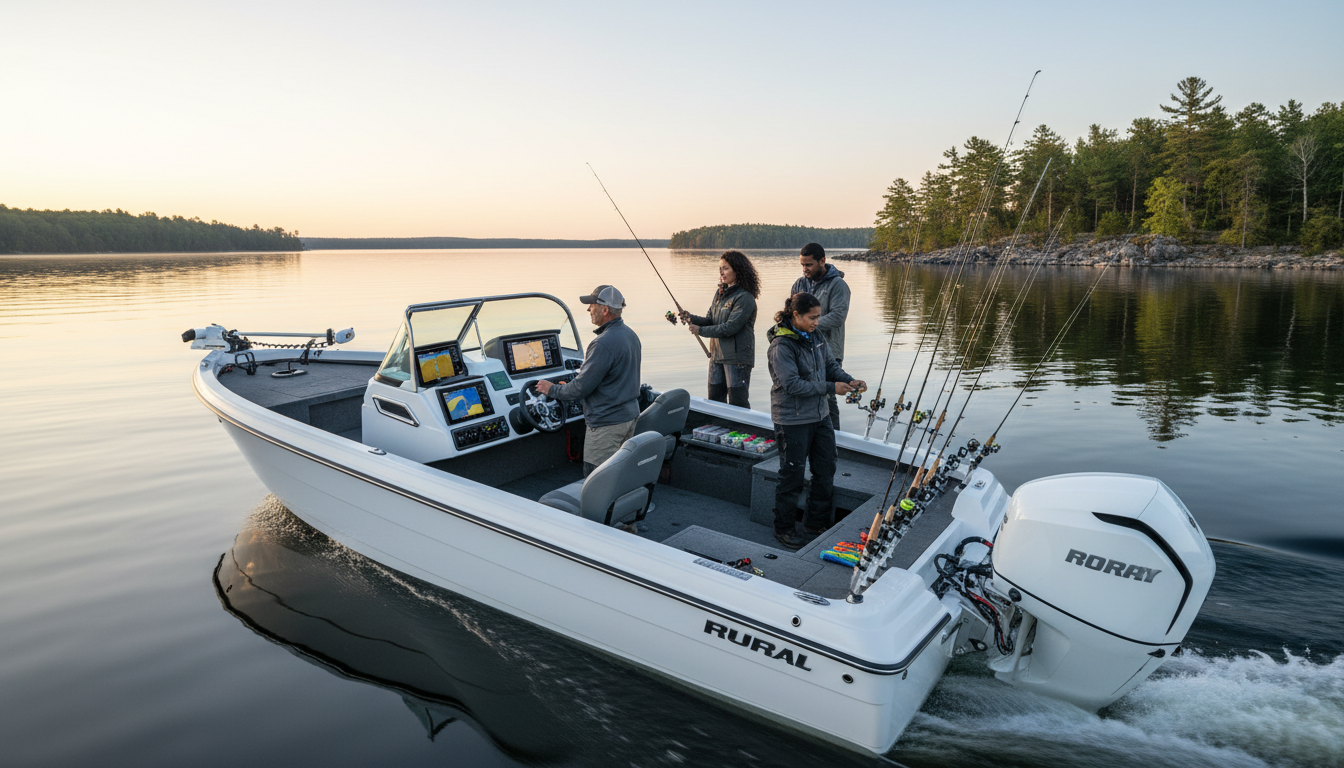
Freshwater fishing is typically more accessible for most people. Lakes, rivers, and ponds are often located near urban areas, making it convenient for a quick fishing trip. On the other hand, saltwater fishing usually requires access to the ocean or sea, which might involve traveling to coastal regions.
If you live far from the coast, freshwater fishing could be the more practical choice. However, if you enjoy the idea of planning a fishing trip to a seaside destination, saltwater fishing might be worth the journey.
Variety of Fish
One of the key differences between freshwater and saltwater fishing is the variety of fish available. Freshwater fishing offers species like bass, trout, and catfish. These fish are often smaller and require different techniques compared to their saltwater counterparts.
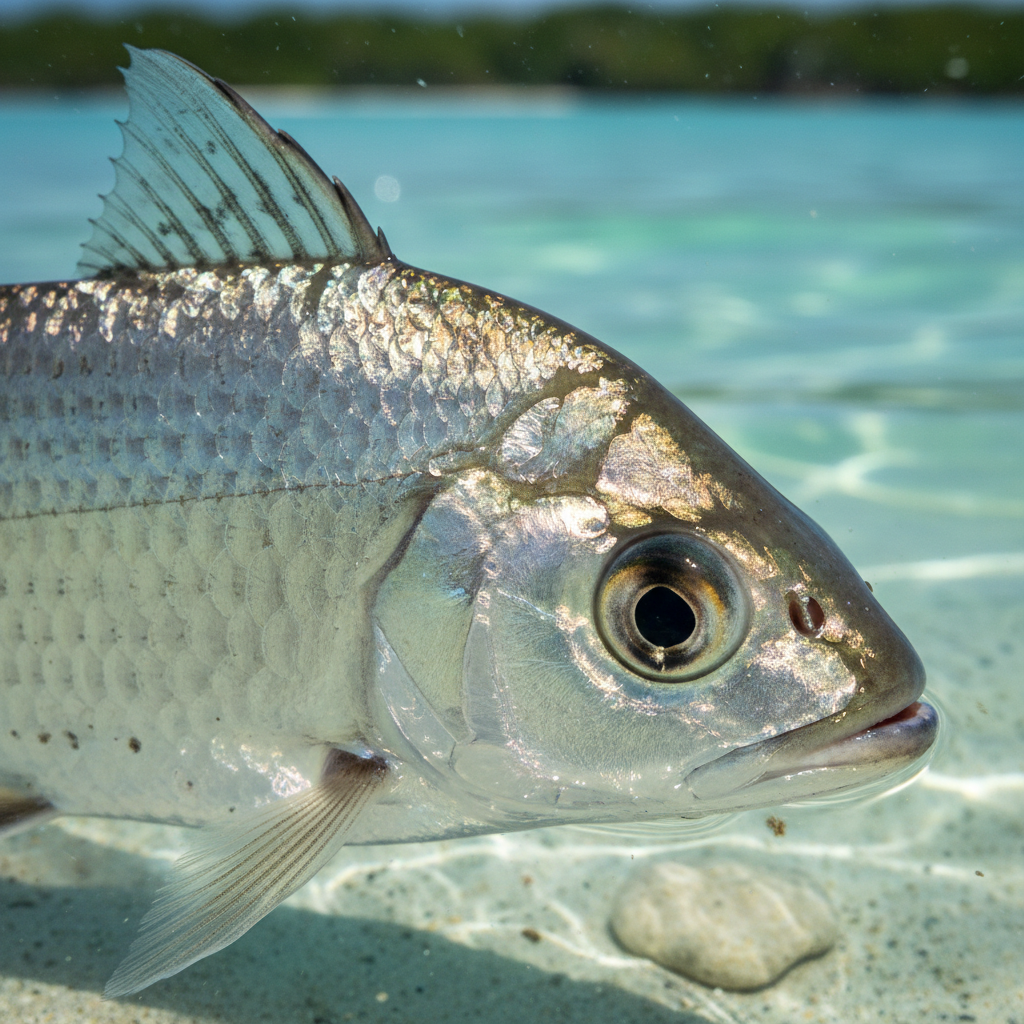
Saltwater fishing provides an opportunity to catch larger and more diverse species, such as tuna, marlin, and snapper. The thrill of reeling in a big catch attracts many anglers to saltwater fishing, but it also requires more advanced equipment and skills.
Fishing Techniques and Equipment
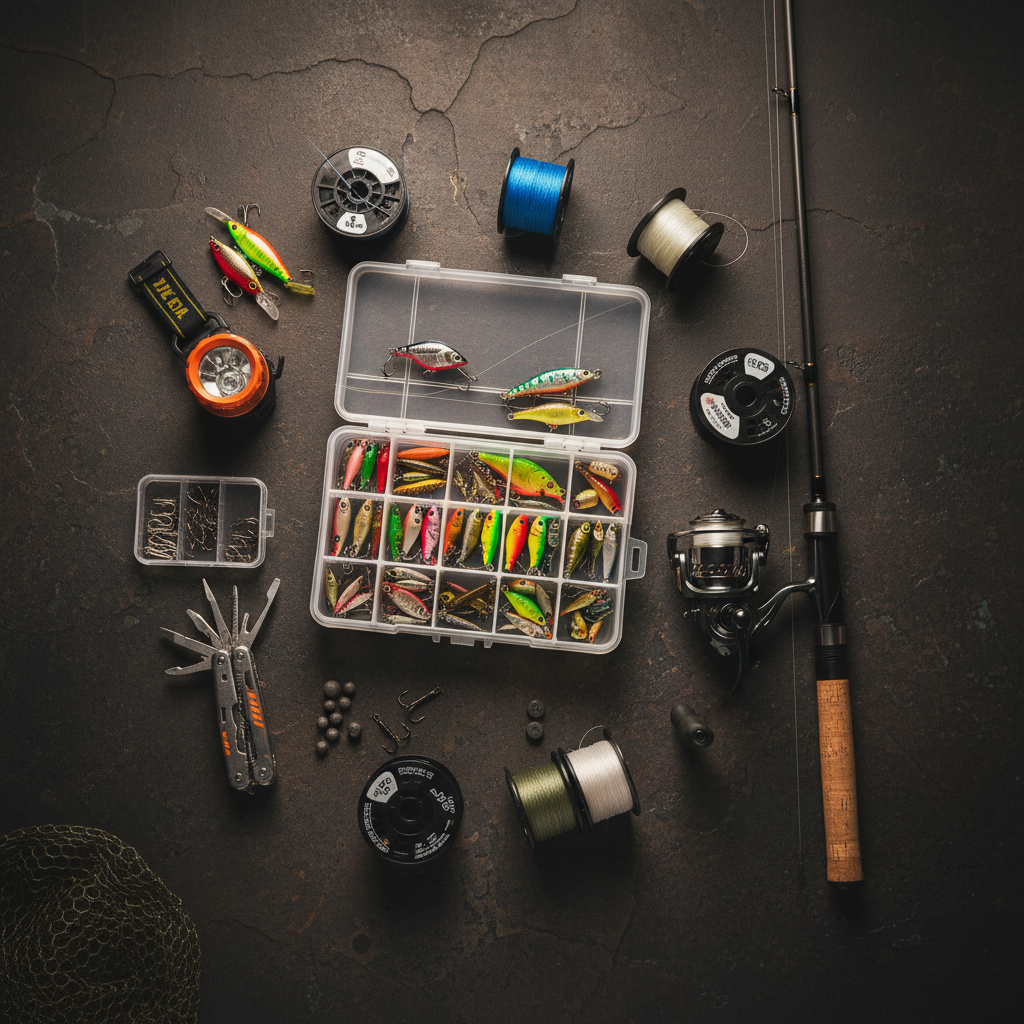
The techniques used in freshwater and saltwater fishing can vary significantly. Freshwater fishing often involves simpler gear and techniques, making it ideal for beginners. Basic rods and reels, along with live bait or lures, are typically sufficient.
In contrast, saltwater fishing can be more complex and may require specialized equipment such as heavy-duty rods, reels, and tackle. Techniques like trolling, deep-sea fishing, and fly fishing add to the complexity and excitement of the experience.
Cost Considerations
Another factor to consider is the cost associated with each type of fishing. Freshwater fishing tends to be more budget-friendly due to the accessibility of locations and simpler equipment. Permits and licenses are often cheaper as well.
Saltwater fishing can become costly, especially if you factor in the travel, chartering boats, and purchasing specialized gear. It's important to weigh these costs against your budget and fishing goals.
Environmental and Conservation Aspects
Both freshwater and saltwater fishing have environmental impacts that anglers should consider. Freshwater fishing can affect local ecosystems, especially in heavily fished areas. Practicing catch and release and adhering to local regulations can help minimize this impact.
Saltwater fishing also poses challenges, such as overfishing and habitat destruction. Being mindful of sustainable fishing practices and supporting conservation efforts is crucial in preserving marine environments.
Making Your Choice
Choosing between freshwater and saltwater fishing ultimately depends on your location, preferences, and level of commitment. If you prefer quick and easy access with minimal costs, freshwater fishing may be the way to go. If you seek adventure and the thrill of larger catches, saltwater fishing is likely to be more fulfilling.
Whichever you choose, fishing offers a rewarding connection with nature and the opportunity to learn and grow as an angler. Happy fishing!