
Comparing Freshwater vs. Saltwater Fishing: Which is Right for You?


Fishing is a beloved pastime for many, offering a chance to connect with nature, relax, and enjoy the thrill of the catch. Deciding between freshwater and saltwater fishing can be a bit of a challenge, especially if you're new to the sport. Each type offers unique experiences and opportunities, so let’s explore the differences to help you choose which is right for you.
Location and Accessibility
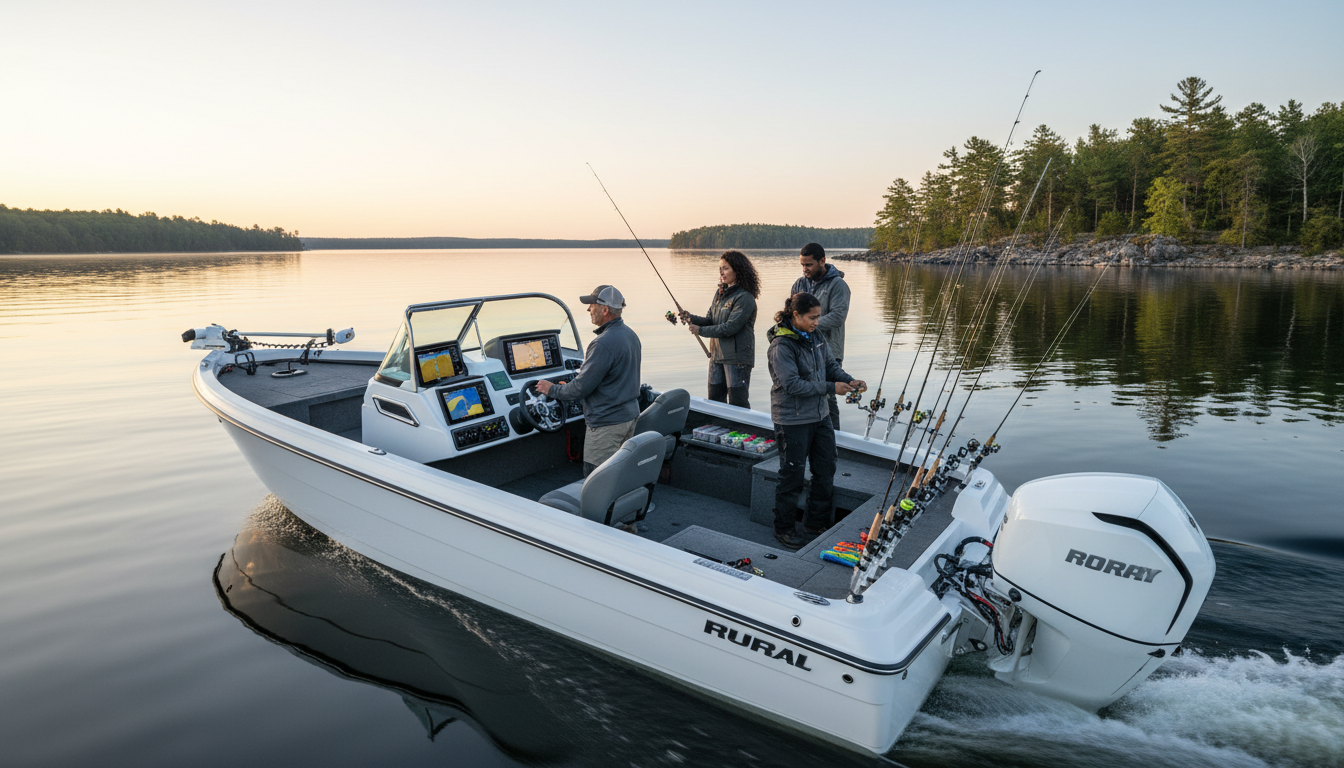
One of the primary considerations when choosing between freshwater and saltwater fishing is location. Freshwater fishing is typically more accessible for most people. With countless lakes, rivers, and ponds, it offers a variety of spots close to home. Whether you’re in a rural area or a city, freshwater fishing locations are usually not far away.
In contrast, saltwater fishing requires access to the ocean. For those living near the coast, this may be convenient, but it can be less accessible for inland residents. Saltwater fishing often involves larger bodies of water and may require a boat, especially for deep-sea fishing adventures.
Types of Fish
The variety of fish available is another factor to consider. Freshwater fishing presents opportunities to catch species like bass, trout, and catfish. These fish are often found in lakes and rivers and can provide a fun challenge for anglers of all skill levels.
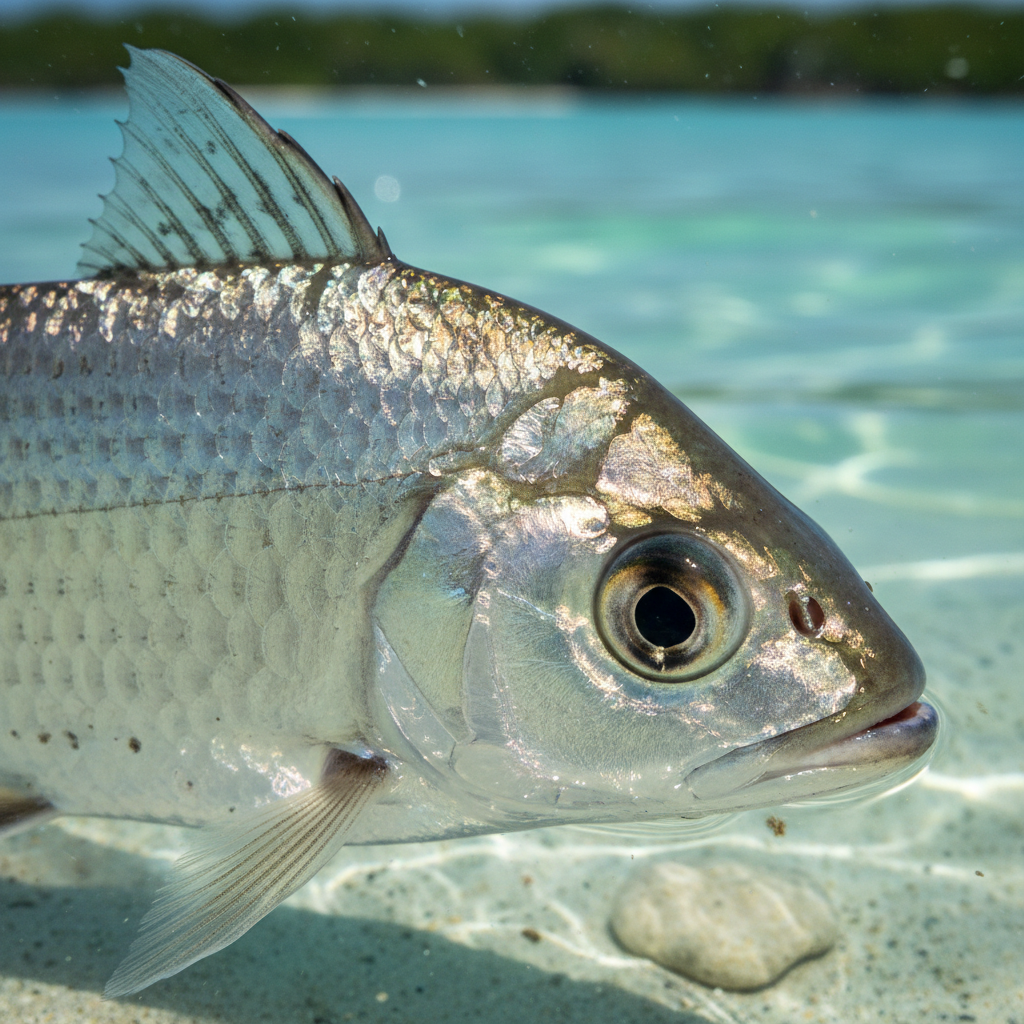
Saltwater fishing, however, offers a different array of species such as marlin, tuna, and redfish. The ocean's vastness means there are more exotic and potentially larger fish to catch, offering a unique thrill for those seeking adventure. However, these fish can also be more challenging to catch due to their size and strength.
Equipment and Techniques
The equipment needed for freshwater fishing is generally more straightforward and less expensive. A basic rod and reel, some bait, and a tackle box are often all you need to get started. Techniques can vary from fly fishing to spin casting, each requiring different skills.
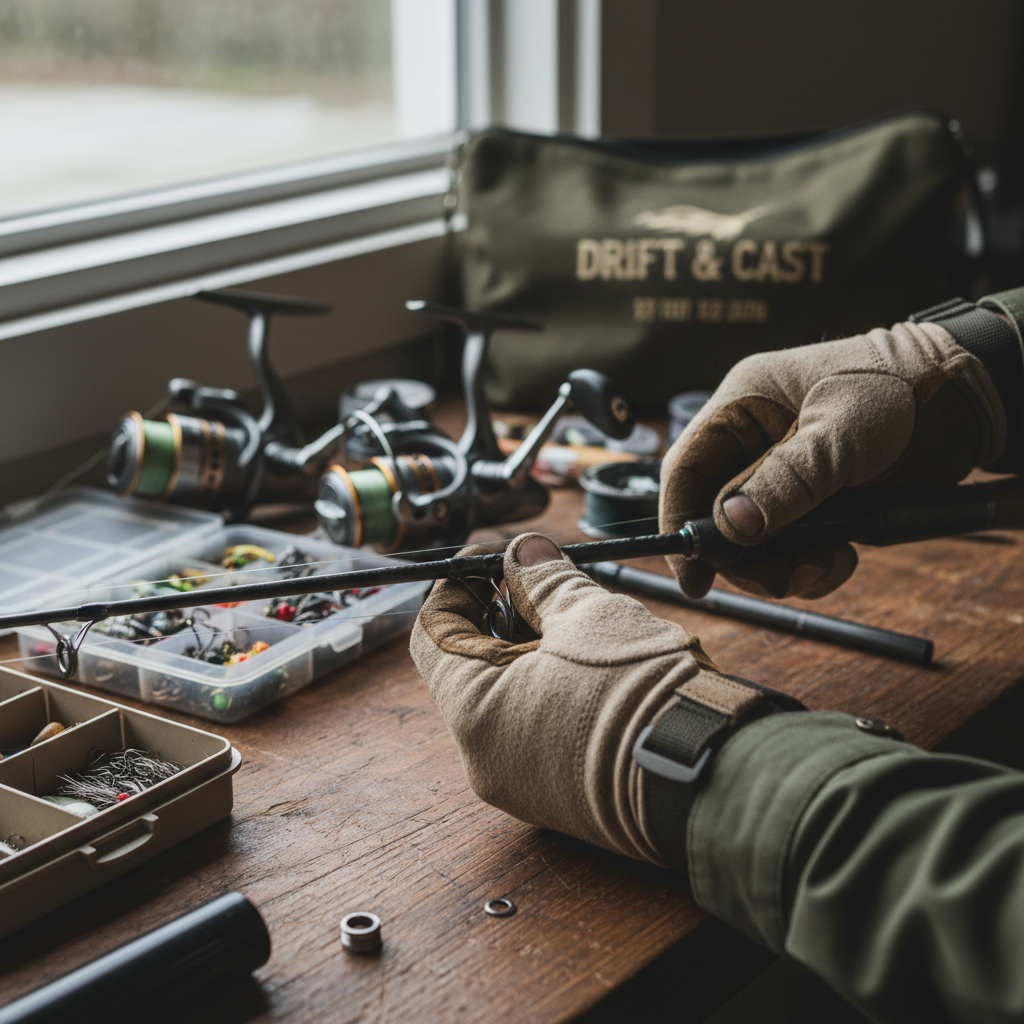
Saltwater fishing, on the other hand, often demands more specialized equipment. Heavier rods and reels are necessary to handle larger fish. Additionally, techniques such as trolling, surfcasting, and deep-sea fishing each have their own set of challenges and requirements.
Cost and Time Investment
Cost is another essential consideration. Freshwater fishing is generally more affordable, with lower equipment costs and accessible locations. It’s an excellent option for beginners or those who want a casual fishing experience without significant investment.
Saltwater fishing can be more costly due to the need for specialized gear and possibly hiring a boat or guide. It often requires more time, making it suitable for those who view fishing as a serious hobby or sport.
Conclusion
Ultimately, the choice between freshwater and saltwater fishing depends on your personal preferences, location, and what you hope to get out of the experience. Freshwater fishing offers accessibility and simplicity, while saltwater fishing provides excitement and adventure. Consider what aspect of fishing most appeals to you and start your journey from there.
Both types of fishing have their unique charms and challenges. Whether you choose the serene waters of a lake or the vast expanse of the ocean, fishing is an opportunity to unwind and enjoy the natural world around you.