
DIY Fishing Maintenance: Keeping Your Equipment in Top Condition


Introduction to DIY Fishing Maintenance
For avid anglers, maintaining fishing equipment is as crucial as mastering casting techniques. Regularly caring for your gear ensures that it remains in optimal condition, providing you with the best possible fishing experience. Whether you're a seasoned fisherman or a weekend warrior, understanding the basics of DIY fishing maintenance can prolong the life of your equipment and enhance your time on the water.
Cleaning Your Fishing Rods and Reels
Rods
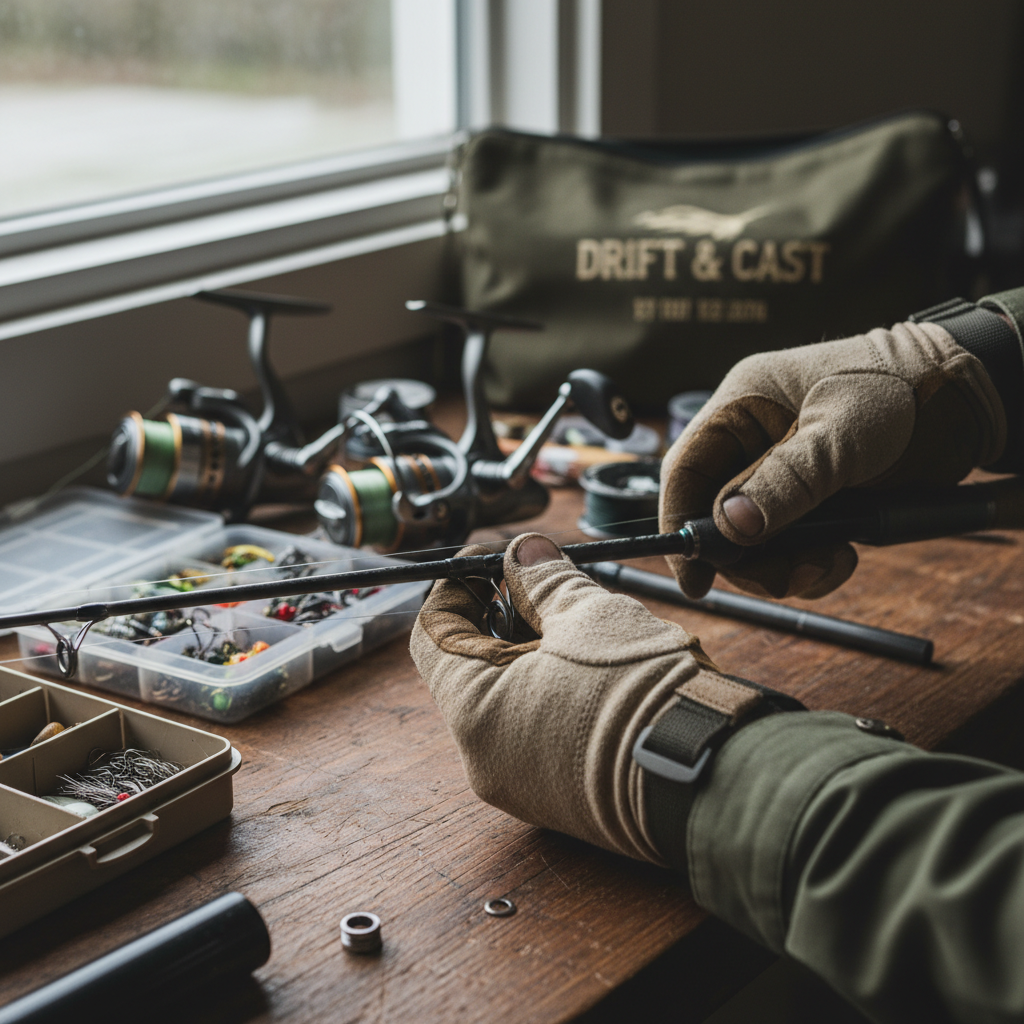
After each fishing trip, it's important to clean your rods to remove dirt and saltwater residue. Use a gentle soap solution and a soft cloth to wipe down the rod, paying special attention to the guides where debris can accumulate. Rinse thoroughly with fresh water and dry with a clean towel to prevent corrosion.
Reels
Reel maintenance is equally important. Disassemble the reel according to the manufacturer's instructions, and clean each part with a cloth dipped in warm, soapy water. Ensure all sand and salt are removed, then dry each component completely. Apply a light oil to moving parts to keep the reel smooth and functional.
Line Maintenance and Replacement
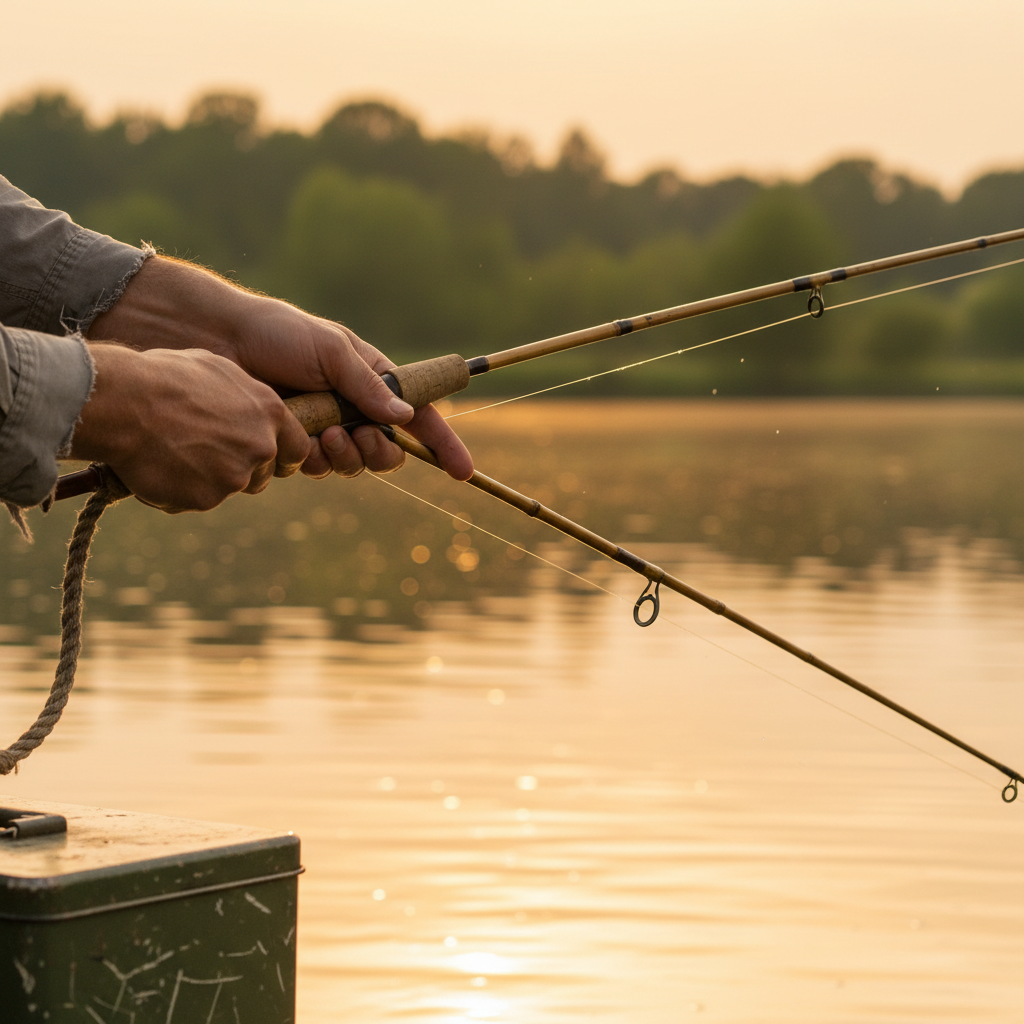
Your fishing line is the crucial link between you and your catch, so keeping it in top condition is essential. Regularly check your line for frays, knots, or abrasions that could lead to breakage. Monofilament lines should be replaced every season, while braided lines typically last longer with proper care.
When replacing your line, ensure it is wound tightly and evenly onto the reel. This helps prevent tangles and improves casting performance. A properly maintained line reduces the risk of losing fish due to unexpected breaks.
Hook and Lure Care
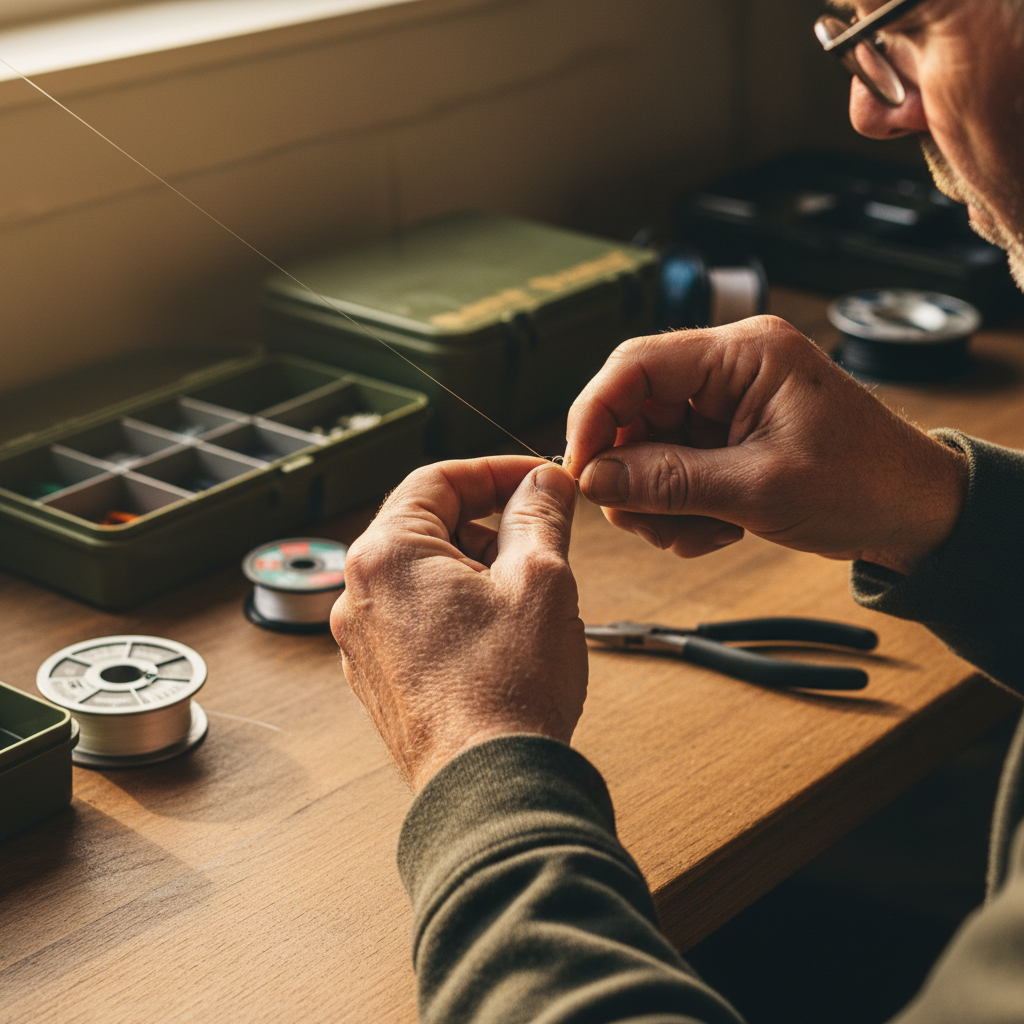
Hooks and lures can easily become dull or rusty if not properly maintained. Sharpen your hooks regularly using a hook file or sharpener to ensure they penetrate the fish's mouth effectively. Replace any hooks that are bent or excessively rusted.
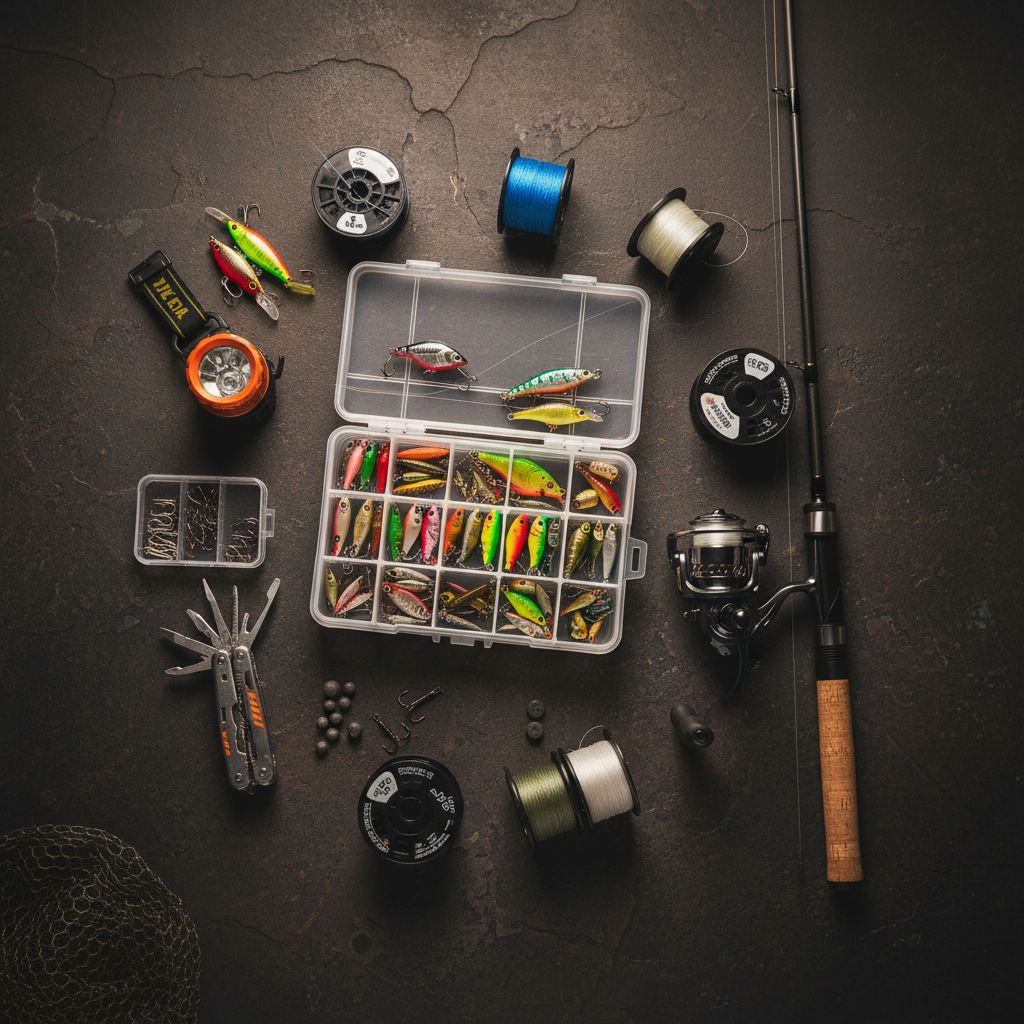
Lures should be rinsed with fresh water after each use and stored in a dry place. Consider using a tackle box with individual compartments to prevent lures from tangling or scratching each other. This keeps them in pristine condition, ready for your next catch.
Storage Tips for Longevity
Proper storage of your fishing equipment is crucial for maintaining its longevity. Store rods vertically or horizontally in a rack to prevent warping. Keep reels in a cool, dry place, ideally in a reel case, to protect them from dust and moisture.
Tackle boxes should be organized and include silica gel packets to absorb any excess moisture. Regularly check and reorganize your tackle box to ensure all items are in good condition and easily accessible for your next adventure.
Conclusion
By incorporating these simple DIY maintenance steps, you can keep your fishing equipment in top condition, ensuring that each fishing trip is as enjoyable and successful as possible. Regular care not only extends the life of your gear but also enhances your performance on the water. Happy fishing!