
Expert Advice: Navigating Local Fishing Regulations


Understanding Local Fishing Regulations
Fishing is a beloved pastime for many, offering both relaxation and the thrill of the catch. However, navigating local fishing regulations can be a daunting task for anglers. It's crucial to understand these rules to ensure sustainable fishing practices and avoid hefty fines. This guide will help you make sense of these regulations so you can focus on reeling in your next big catch.
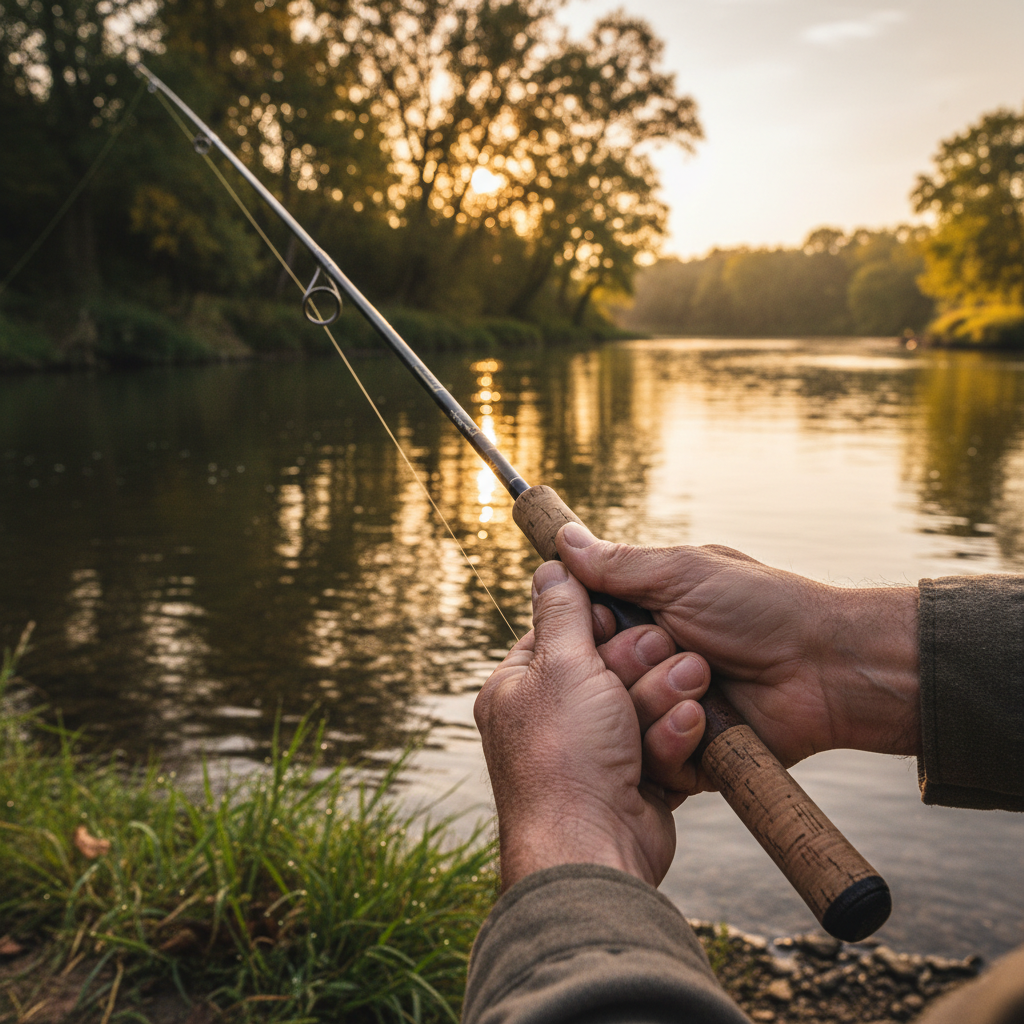
Why Regulations Matter
Local fishing regulations are designed to protect aquatic ecosystems and ensure sustainable fishing practices. By adhering to these rules, anglers contribute to the conservation of fish populations and the preservation of natural habitats. Regulations also help maintain a balance between recreational and commercial fishing interests.
Ignoring these rules can have significant consequences, including penalties and the depletion of local fish stocks. It's important to stay informed and compliant to enjoy fishing responsibly.
Key Elements of Fishing Regulations
Fishing regulations vary by location, but typically include:
- Licensing requirements: Most areas require a fishing license, which can often be obtained online or at local sporting goods stores.
- Seasonal restrictions: Some species are protected during certain times of the year to allow for spawning and population recovery.
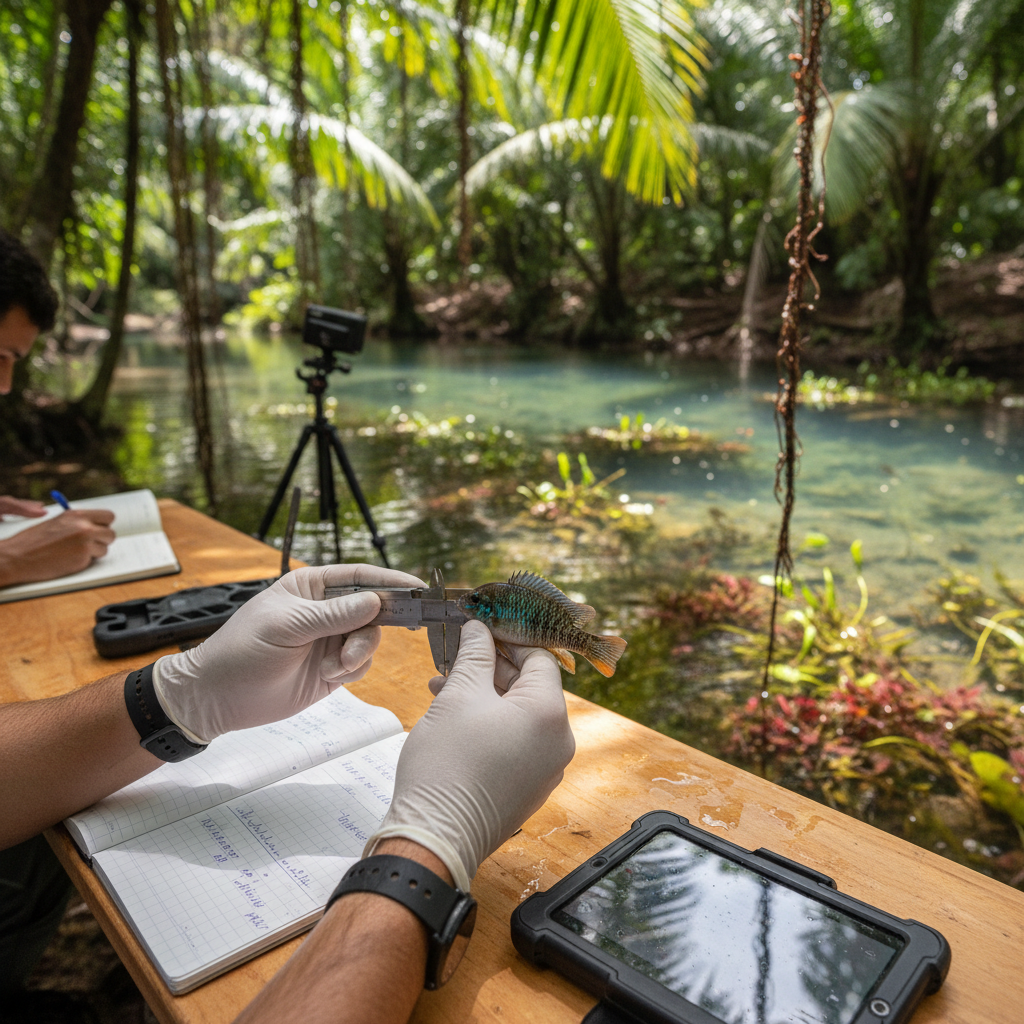
- Catch limits: Regulations often specify the number and size of fish that can be legally caught and kept.
- Gear restrictions: Certain types of fishing gear may be prohibited to prevent overfishing and habitat damage.
Staying Updated on Regulations
Fishing regulations are subject to change based on environmental conditions and scientific research. Therefore, it's essential to stay informed about the latest rules. Here are some tips to keep updated:
- Visit official websites: Check the websites of local wildlife or fishing authorities for the most current information.
- Subscribe to newsletters: Many organizations offer newsletters that provide updates on fishing regulations and conservation efforts.
- Join local fishing groups: Engaging with local anglers can provide insights and updates on regulation changes.

Practical Tips for Compliance
Compliance with fishing regulations is not just about avoiding penalties; it's about fostering a sustainable environment for future generations. Here are some practical tips:
- Plan ahead: Before heading out, research the specific regulations for your fishing location.
- Carry documentation: Always have your fishing license and any necessary permits with you.
- Practice catch and release: When possible, release fish that are not within legal size limits or are out of season.
By understanding and adhering to local fishing regulations, you can enjoy the sport while contributing to the health of aquatic ecosystems. Happy fishing!