
Expert Insights: Navigating Fishing Regulations Across the United States


Understanding Fishing Regulations
Navigating fishing regulations across the United States can be a complex task for both amateur and professional anglers. Each state has its own set of rules and guidelines designed to preserve aquatic life and ensure sustainable fishing practices. Understanding these regulations is crucial to avoid fines and contribute to conservation efforts.

Fishing regulations are influenced by factors such as species conservation, habitat protection, and local environmental conditions. These laws are often subject to change, reflecting the latest scientific research and ecological assessments. Staying informed about these updates is essential for anyone planning a fishing trip.
State-Specific Regulations
Each state in the U.S. has its own governing body that oversees fishing activities. This means that fishing in California will have different requirements and permits compared to fishing in Florida. Anglers must familiarize themselves with the specific laws of the state where they plan to fish, including restrictions on certain species, bag limits, and seasonal closures.
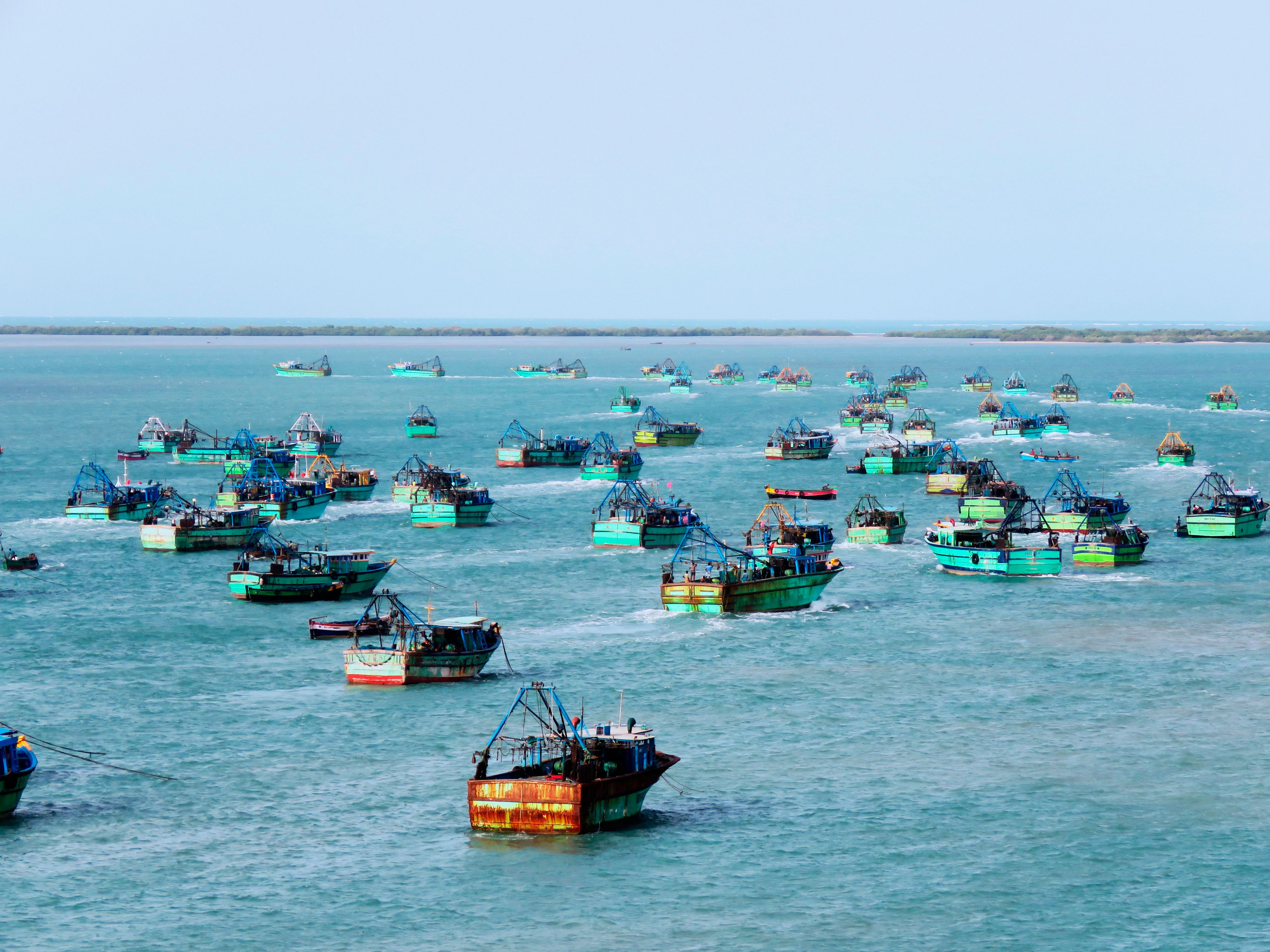
For instance, some states may allow year-round fishing, while others have specific seasons for different species. It’s also important to understand the distinction between freshwater and saltwater fishing regulations as these can vary significantly within the same state.
Licensing and Permits
Obtaining the proper fishing license is a fundamental step in this process. Most states require anglers to purchase a fishing license, which can usually be obtained online or at designated locations such as sporting goods stores. Some states offer short-term, annual, or lifetime licenses, catering to both local residents and visitors.
Additionally, certain areas may require special permits for specific activities like catching a particular species or fishing in protected waters. Ignoring these requirements can result in hefty fines and penalties.
Conservation Efforts
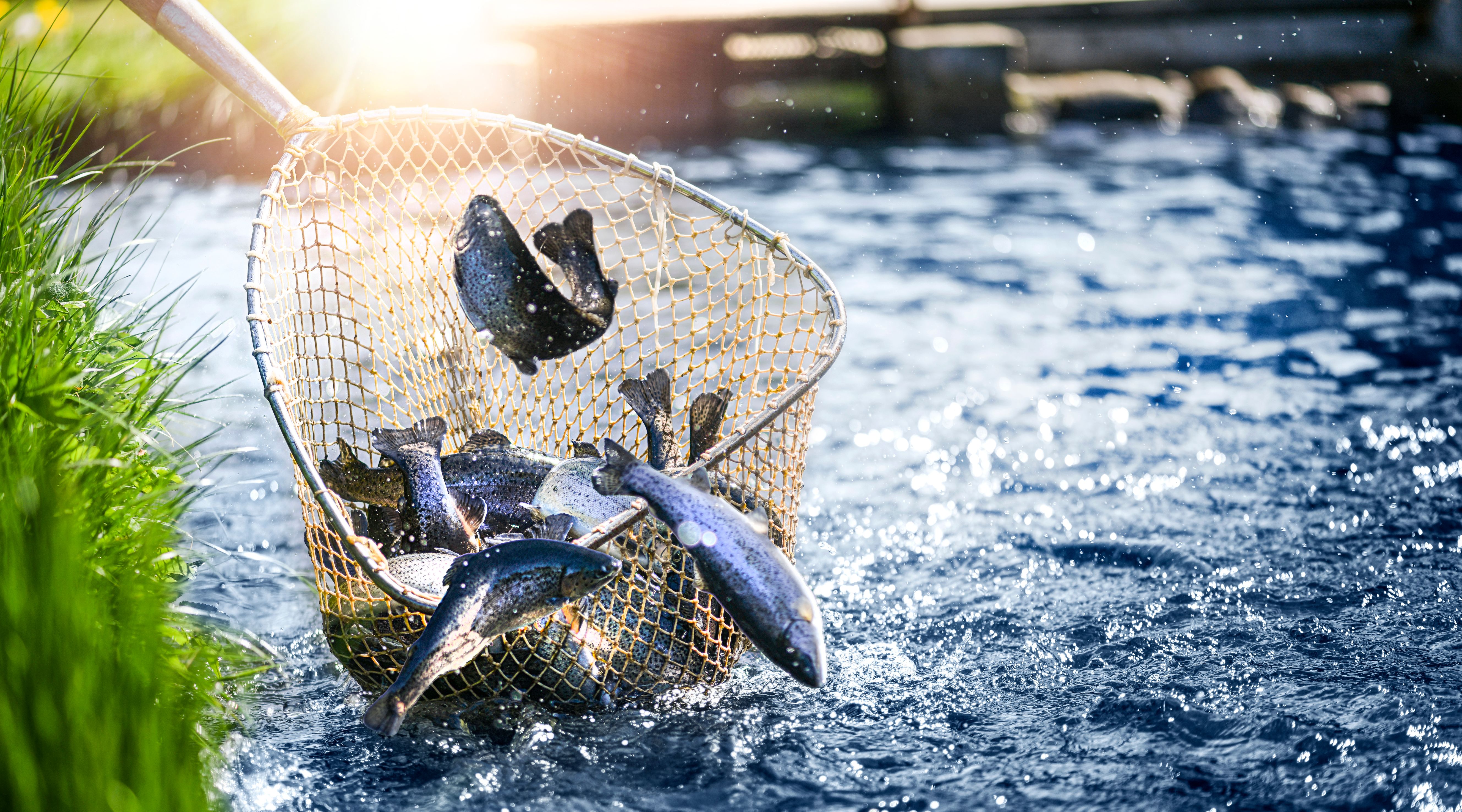
Fishing regulations are not just about compliance; they play a vital role in conservation. By adhering to these laws, anglers contribute to the sustainable management of fish populations and the overall health of aquatic ecosystems. This includes following catch-and-release practices and respecting size and bag limits.
Conservation efforts are often supported by the funds generated from fishing licenses. These funds are used for habitat restoration, research programs, and the enforcement of fishing laws.
Resources for Anglers
Staying informed is easier than ever with a plethora of resources available to anglers. State wildlife agencies often provide comprehensive guides and updates on their websites. Additionally, mobile apps and online forums can be valuable tools for real-time information and community insights.
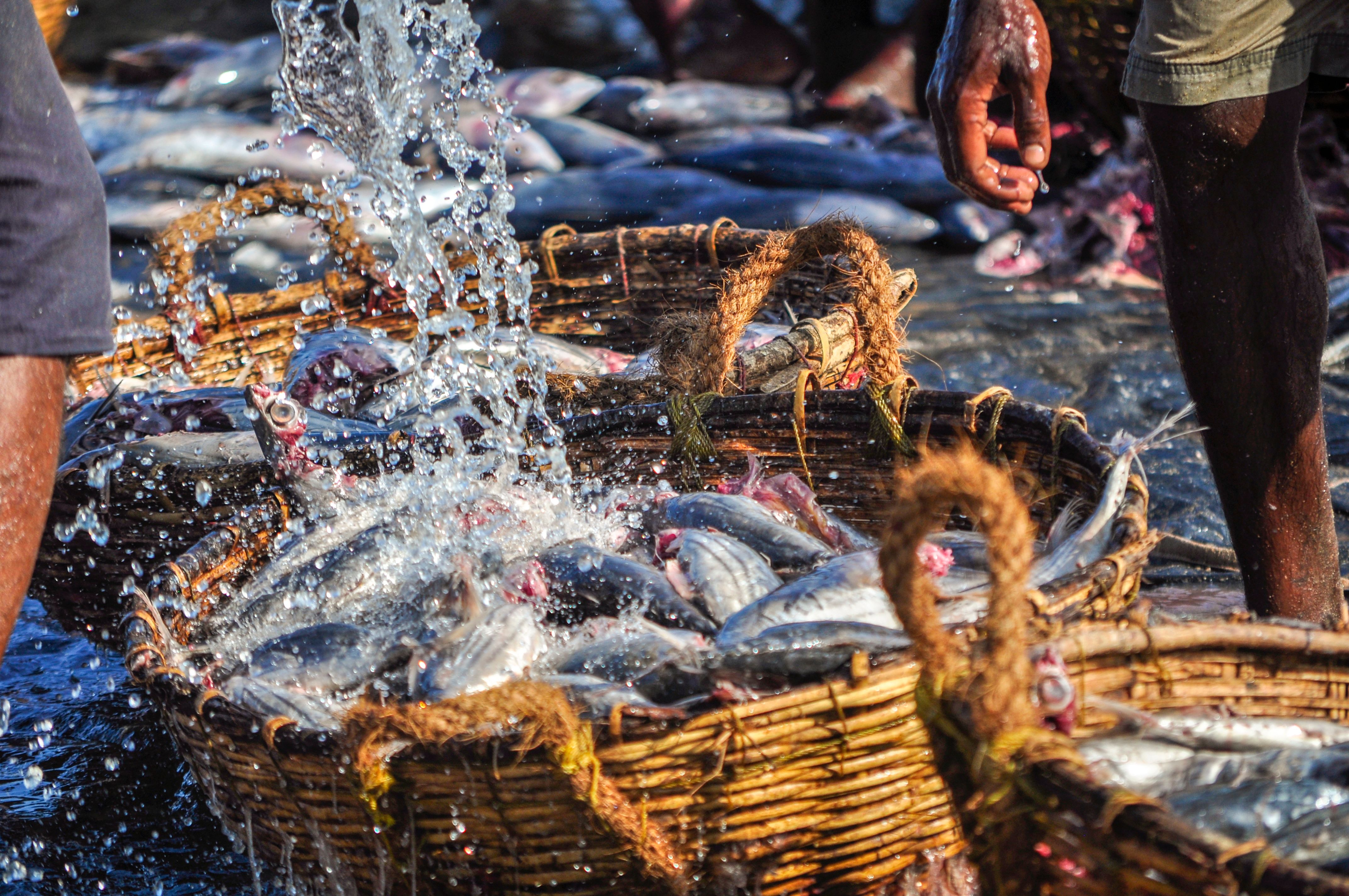
By taking advantage of these resources, anglers can ensure they remain compliant with regulations while enjoying their fishing adventures. Engaging with local fishing groups can also provide practical insights and tips for navigating specific regional regulations.