
Expert Insights: Navigating Fishing Regulations in the U.S.


Understanding Fishing Regulations
Fishing regulations in the United States are designed to sustain fish populations and ensure that this beloved pastime remains available for future generations. Understanding these regulations is crucial for any angler, whether you're a seasoned pro or just getting started. Regulations can vary significantly by state, so it's important to stay informed.
Federal vs. State Regulations
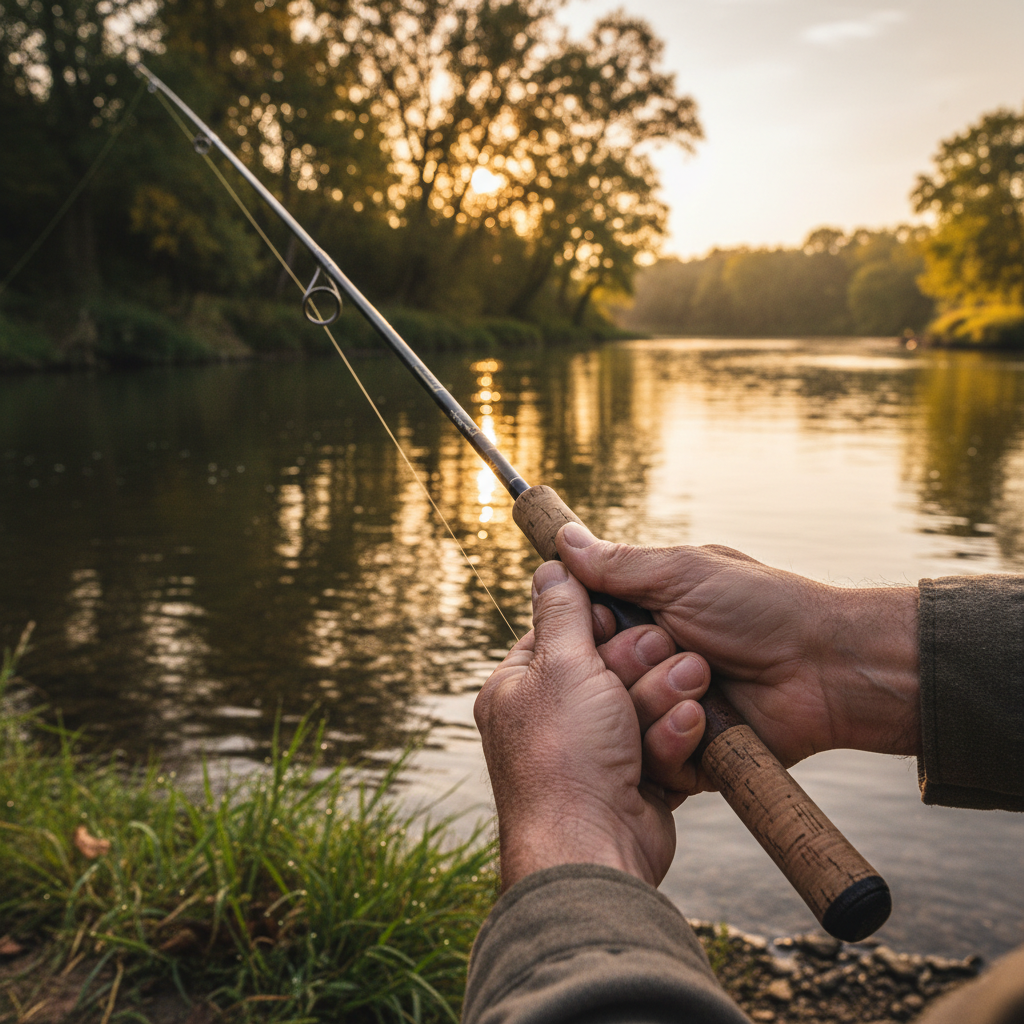
In the U.S., fishing regulations are governed by both federal and state authorities. Federal regulations often cover large bodies of water that cross state lines, such as the Great Lakes and oceanic waters. Meanwhile, state governments regulate fishing in local lakes, rivers, and streams. Before you head out, check both federal and state guidelines to ensure compliance.
Licensing and Permits
One of the first steps to legal fishing is obtaining the appropriate licenses and permits. Each state offers various types, including annual, daily, or lifetime licenses. Some states also offer special permits for specific fish species. Make sure to purchase the correct license for your planned activities to avoid fines.

Bag and Size Limits
Bag and size limits are crucial for conservation efforts. These limits dictate how many fish you can keep and the size they must be. The aim is to protect young fish and ensure that breeding populations remain robust. Always check the specific limits for the species you plan to catch.
Seasonal Restrictions
Many areas impose seasonal restrictions on fishing to protect fish during their breeding seasons. These closed seasons allow fish populations to replenish, ensuring sustainable fishing in the future. Be sure to familiarize yourself with these restrictions to plan your fishing trips accordingly.

Protected Species
Some fish species are protected by law due to their threatened or endangered status. It's crucial to identify and understand which species are off-limits. Catching these species can result in hefty fines and legal repercussions, so always consult the latest guidelines before heading out.
Reporting and Conservation Efforts
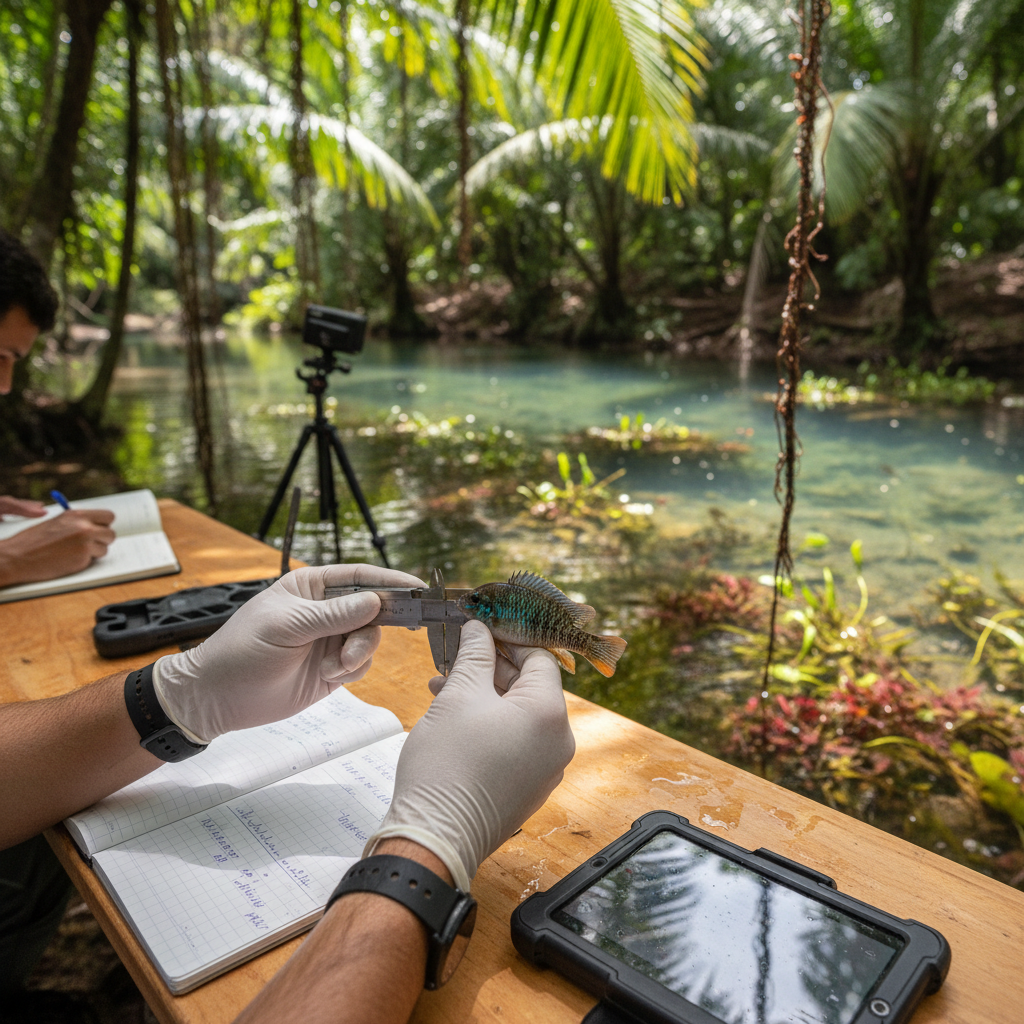
Anglers play a vital role in conservation efforts. Reporting your catches can assist in tracking fish populations and help authorities make informed decisions about future regulations. Many states have hotlines or apps for easy reporting, contributing to the preservation of aquatic ecosystems.
Staying Informed
Fishing regulations can change frequently, reflecting new research and environmental conditions. Stay informed by regularly checking official state and federal resources. Joining local fishing clubs or forums can also keep you updated on the latest regulation changes and fishing tips.
By understanding and adhering to these regulations, anglers contribute to the sustainability of fish populations and the natural beauty of our waters. Happy fishing!