
Exploring the Latest Trends in the Fishing Industry


Innovations in Fishing Gear
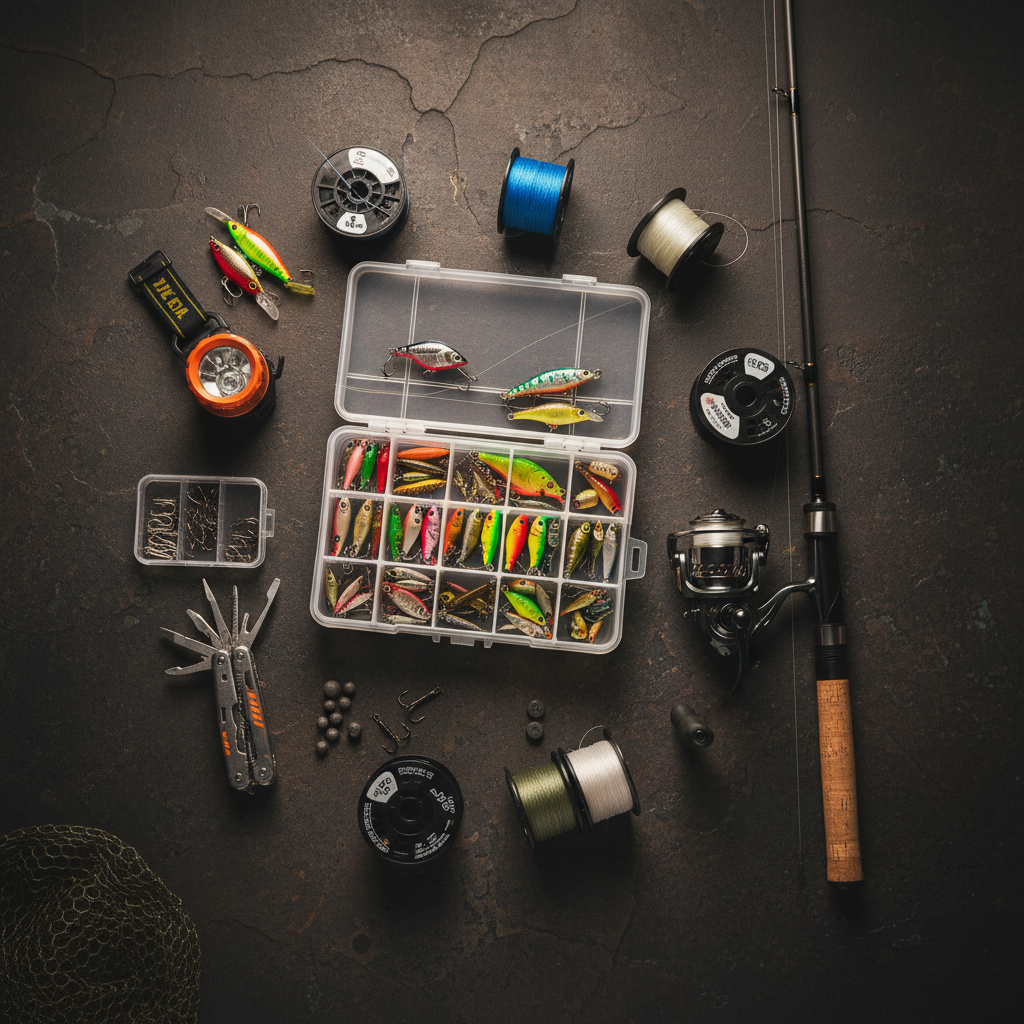
The fishing industry has experienced a wave of innovation, particularly in gear technology. Modern equipment is designed not only for efficiency but also for sustainability. Anglers can now choose from a variety of eco-friendly options that reduce environmental impact. From biodegradable fishing lines to hooks designed to minimize injury to fish, these advancements are reshaping the way we approach fishing.
Moreover, smart fishing gear equipped with GPS and sonar technology is becoming increasingly popular. These tools provide real-time data, helping fishers locate schools of fish more accurately, thus reducing unnecessary bycatch.
Rise of Sustainable Practices
Sustainability has become a cornerstone trend in the fishing industry. With growing awareness of overfishing and its impact on marine ecosystems, many companies and fishers are adopting more sustainable practices. This includes implementing quotas, using selective fishing techniques, and participating in certification programs like the Marine Stewardship Council (MSC).
Consumers are also playing a role by demanding sustainably sourced seafood. This shift in consumer behavior is encouraging the industry to prioritize transparency and responsibility.

Growth of Aquaculture
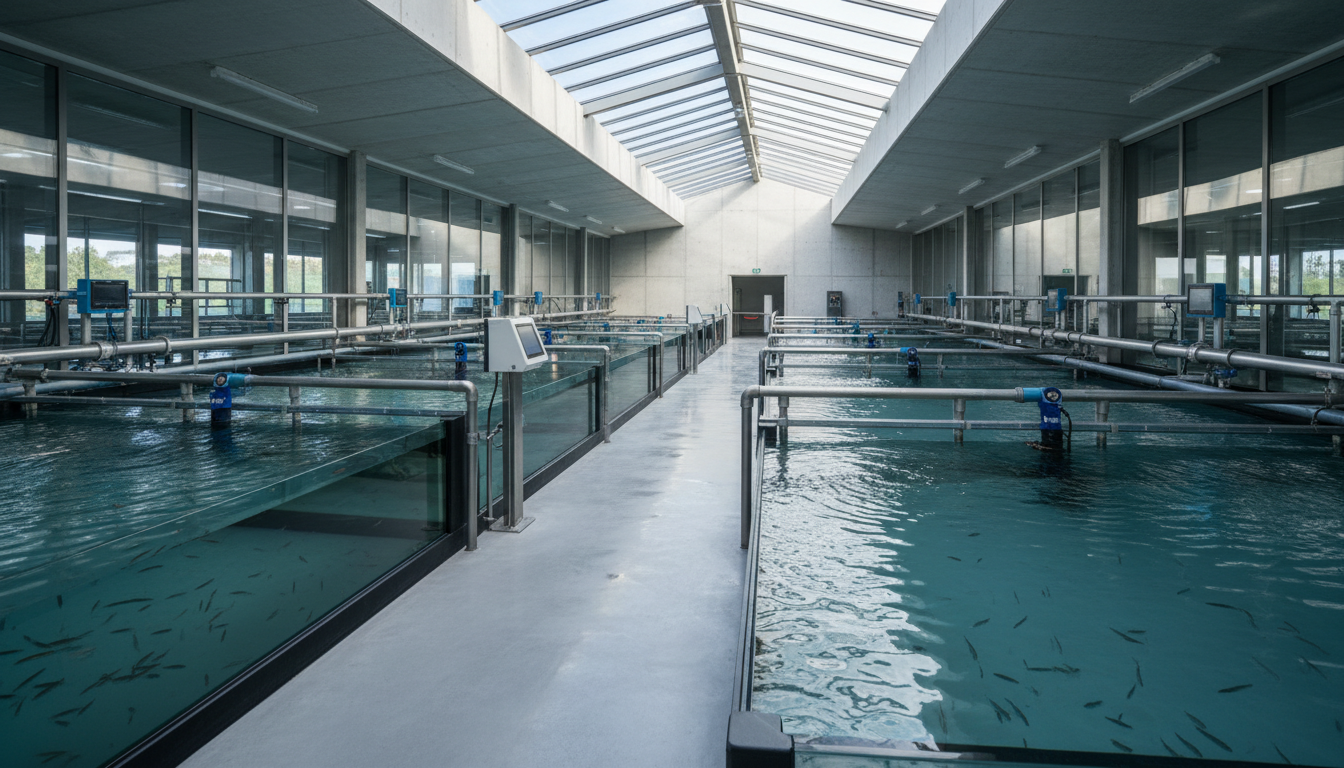
Aquaculture, or fish farming, is experiencing significant growth as a viable alternative to traditional fishing methods. This trend is driven by the need to meet the increasing global demand for fish without depleting wild stocks. Aquaculture provides a controlled environment to raise fish, resulting in a steady supply and consistent quality.
Advancements in technology have made aquaculture more efficient and environmentally friendly, with innovations in feed, breeding, and waste management playing a crucial role.
Impact of Technology on Fishing
Technology is revolutionizing the fishing industry in various ways. Drones, for example, are being used for aerial surveys to monitor fish populations and track illegal fishing activities. This technology allows authorities to enforce regulations more effectively and ensures that fishing activities adhere to legal standards.
Additionally, mobile apps and platforms are connecting fishers directly with consumers, reducing the need for intermediaries and providing fresh produce with traceable origins.

Recreational Fishing Trends
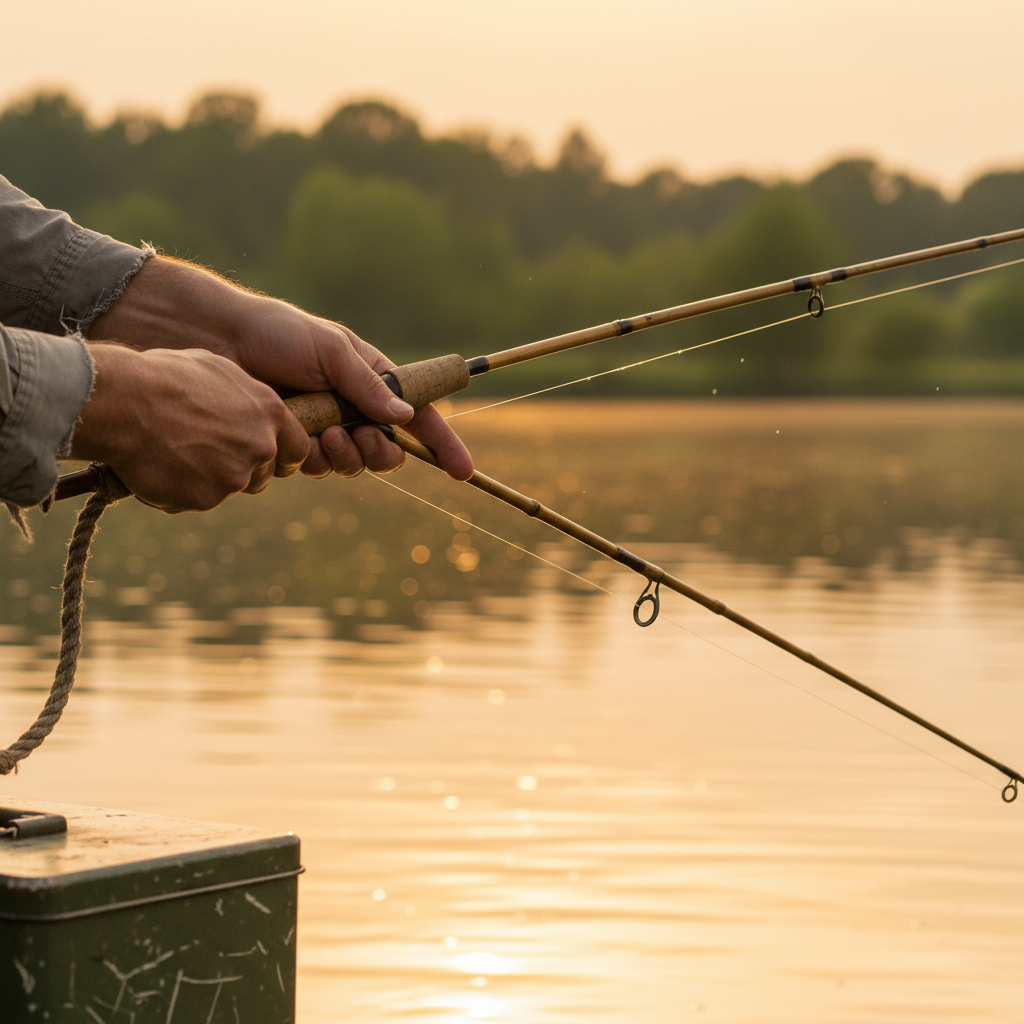
Recreational fishing is also seeing new trends, with an increased focus on catch-and-release practices. This approach is gaining popularity as it allows anglers to enjoy the sport while contributing to conservation efforts.
Moreover, there is a surge in the use of fishing kayaks and paddleboards, which offer a more environmentally friendly and intimate fishing experience compared to motorized boats.
Conclusion
The fishing industry is undergoing significant changes driven by technology, sustainability, and evolving consumer preferences. These trends not only enhance efficiency and profitability but also ensure the long-term health of marine ecosystems. As innovations continue to emerge, the future of fishing looks promising, with a strong emphasis on balancing human needs with environmental stewardship.