
Fishing in Challenging Weather: Strategies for Success


Understanding the Challenges
Fishing in challenging weather can be an exhilarating experience, but it requires a unique set of skills and strategies. Whether it’s strong winds, heavy rain, or fluctuating temperatures, each weather condition presents its own obstacles. Understanding these challenges is the first step toward a successful fishing adventure.

Adverse weather can affect fish behavior, making them harder to locate and catch. Fish may retreat to deeper waters or become less active, requiring anglers to adapt their techniques. By familiarizing yourself with how different weather conditions impact fish, you can adjust your approach accordingly.
Essential Gear for Tough Conditions
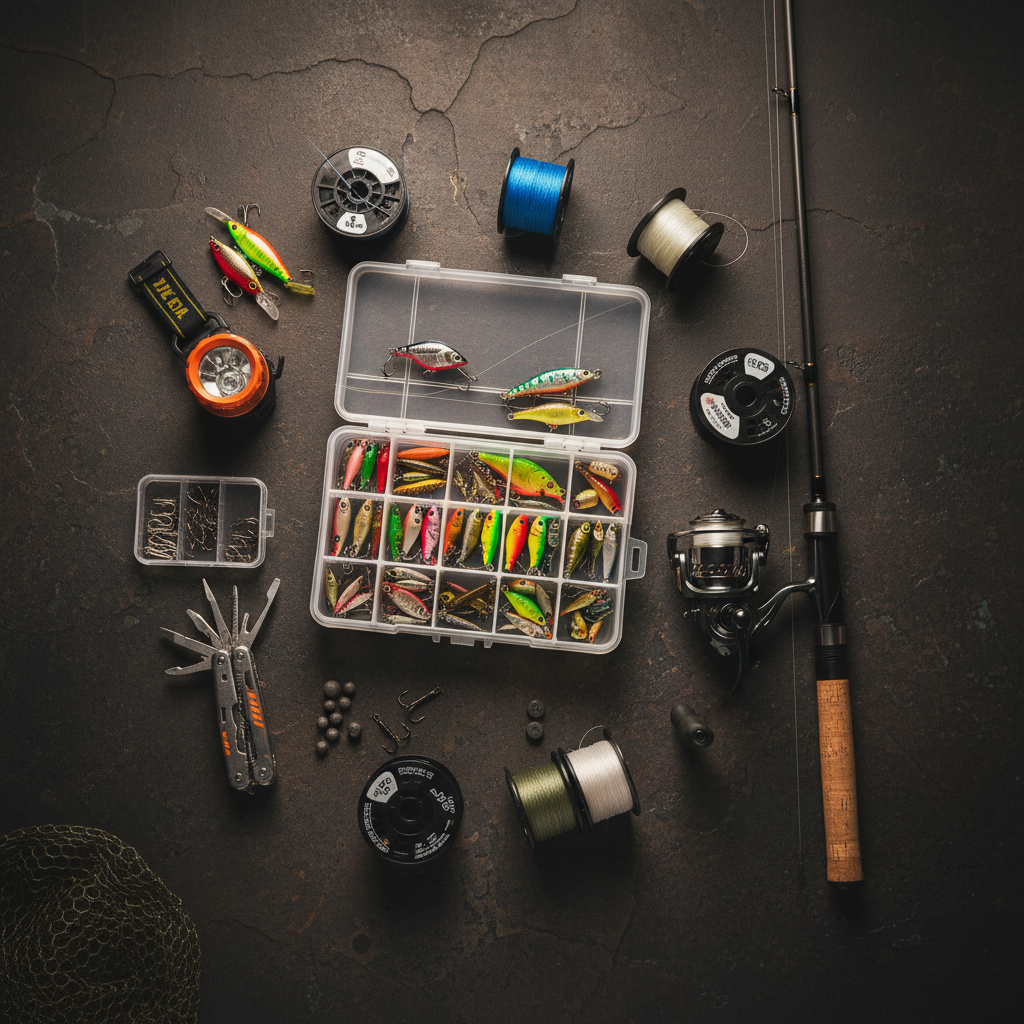
Having the right gear is crucial when fishing in difficult weather. First and foremost, ensure you have appropriate clothing. Layering is key to staying warm and dry, so invest in waterproof jackets, pants, and boots. Don’t forget gloves and hats to protect against the cold.
Additionally, consider using stronger fishing lines and heavier weights to withstand the elements. Rods with sturdy construction are also recommended to handle the pressure of rough waters. Always pack extra gear in case of emergencies.
Adapting Techniques for Success
Adjusting your fishing techniques is vital in challenging weather. For instance, when faced with strong winds, casting becomes more difficult. In such cases, try shorter casts and heavier lures to maintain control. When dealing with rain, fish are often more active, so faster retrievals may be effective.
In colder weather, fish tend to be sluggish. Slow down your presentation and use baits that mimic natural movements. Patience is key, as it may take longer to entice a bite. Adaptability is the hallmark of a successful angler.
Safety Precautions
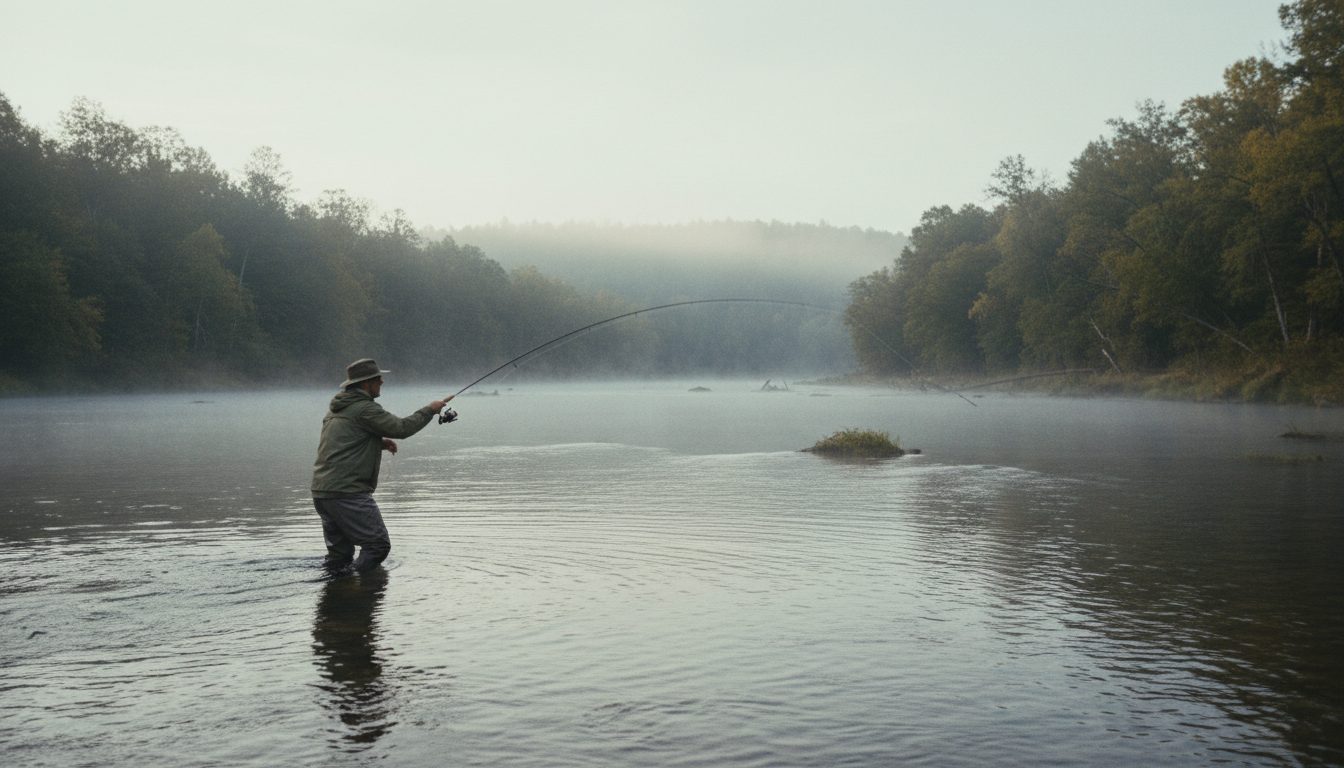
Fishing in challenging weather requires heightened awareness of safety. Always check weather forecasts before heading out and be prepared for sudden changes. Inform someone of your plans and estimated return time. Carry a fully charged phone and a first aid kit for emergencies.
When fishing from a boat, ensure all safety equipment is onboard, including life jackets and flares. It’s also wise to familiarize yourself with the area to avoid unexpected hazards. Prioritizing safety allows you to focus on the thrill of the catch.
Reading Weather Patterns
A successful angler knows how to read weather patterns and predict changes in fish behavior. Pay attention to barometric pressure; a falling pressure often indicates an incoming storm, which can make fish more active. Conversely, rising pressure may cause them to retreat.
Cloud cover can also impact fishing. Overcast skies generally mean fish will roam more freely, while bright sunlight might push them into deeper waters. Understanding these patterns will enhance your ability to plan successful fishing trips.

Conclusion
Fishing in challenging weather can be a rewarding experience for those who are prepared and adaptable. By equipping yourself with the right gear, adjusting your techniques, and prioritizing safety, you can turn adverse conditions into an opportunity for success. Embrace the challenge, and you might find that some of the best fishing experiences happen when the weather is anything but perfect.