
Fishing Regulations You Need to Know: A State-by-State Guide


When planning a fishing trip across the United States, understanding the local regulations is essential for a successful and legal experience. Here, we provide a state-by-state guide to help you navigate the complex world of fishing laws.
Understanding State-Specific Fishing Licenses
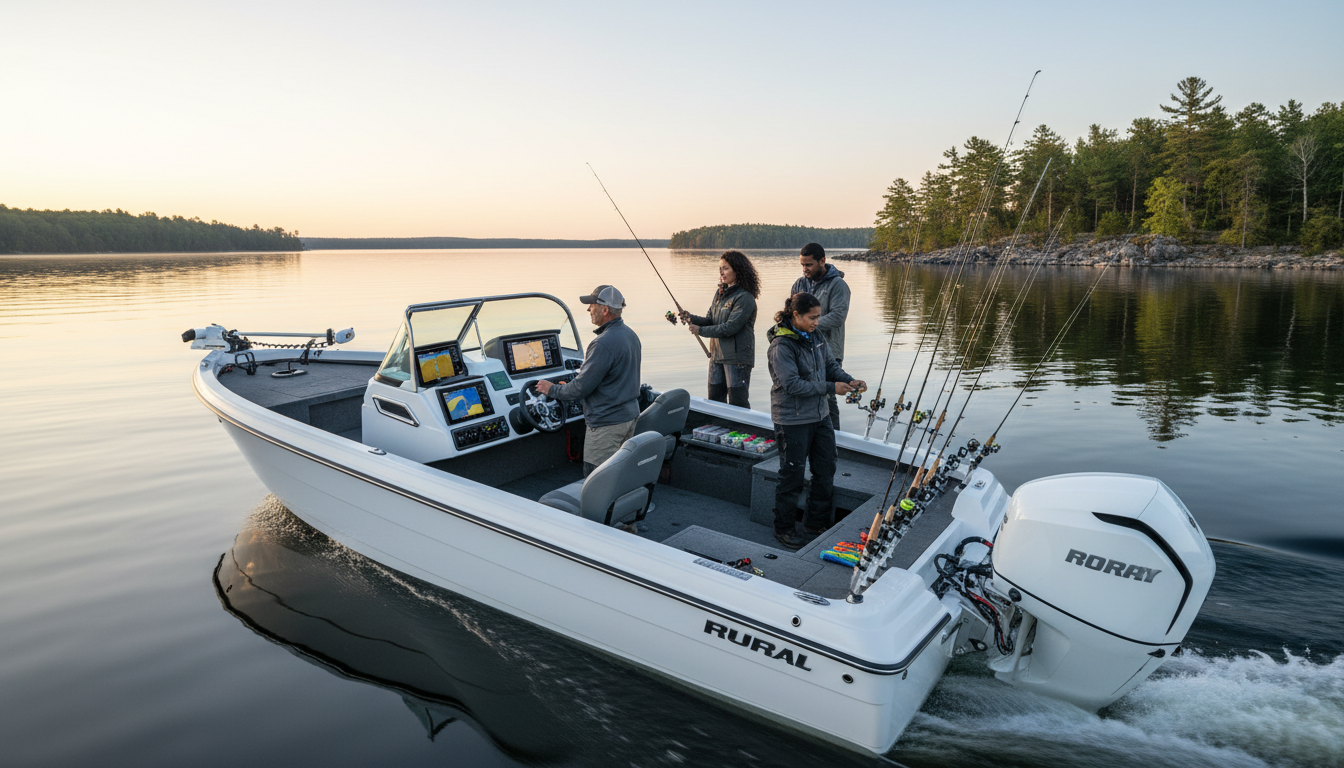
Each state requires anglers to obtain a fishing license, but the specifics can vary. Some states offer short-term licenses ideal for tourists, while others have options for lifetime licenses for residents. Be sure to check the state's official wildlife department website for precise details.
Short-Term vs. Annual Licenses
Short-term licenses are perfect for visitors or those looking to try fishing for a day or two. However, if you're a frequent angler, an annual license might be more cost-effective in the long run.

Bag and Size Limits
Bag and size limits are put in place to ensure sustainable fishing practices. These limits prevent overfishing and help maintain healthy fish populations. Violating these regulations can result in hefty fines or even the suspension of fishing privileges.
Species-Specific Regulations
Different fish species often have specific regulations. For example, the size limit for bass might differ from that of trout. Make sure to familiarize yourself with the rules for each species you intend to catch.
Seasonal Restrictions
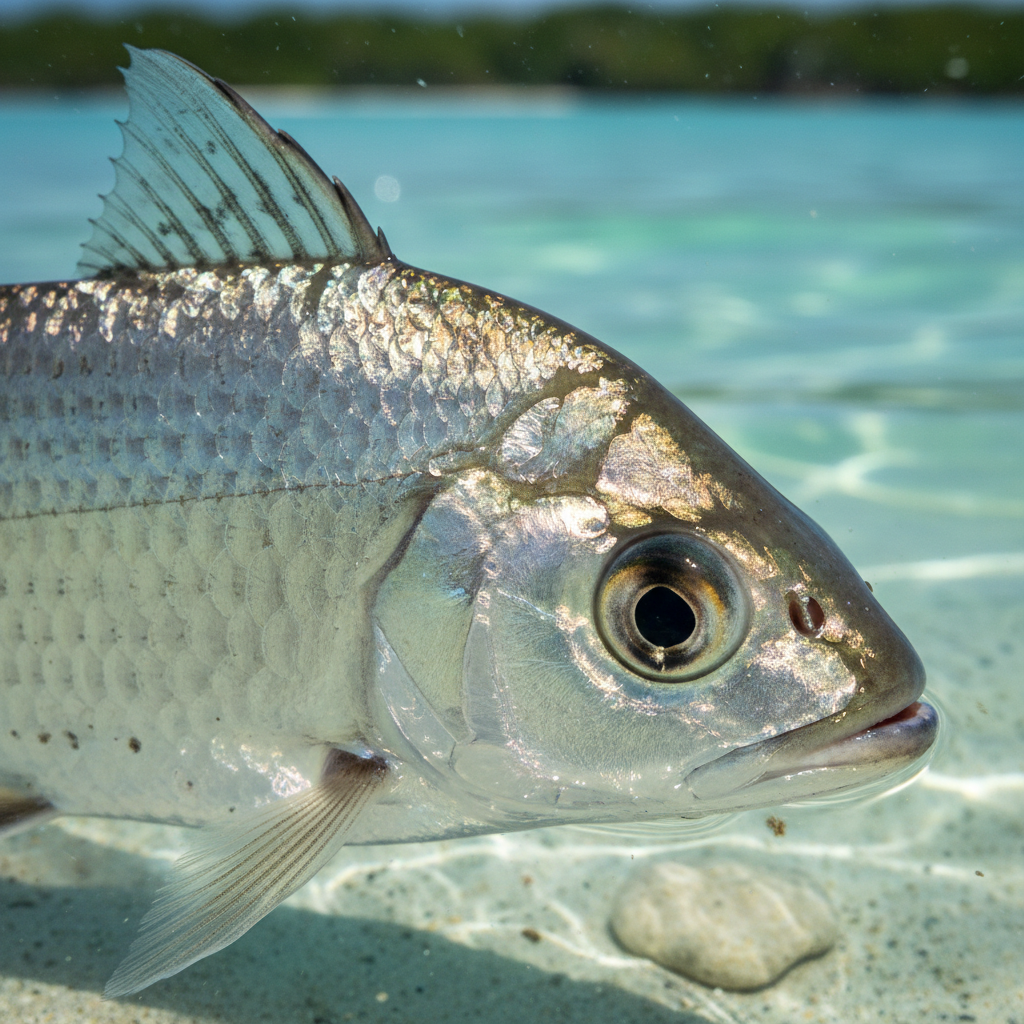
Many states implement seasonal restrictions to protect fish during spawning periods. Fishing during these times is usually prohibited or limited. Always check the local fishing calendar to ensure compliance.
Closed Seasons
Closed seasons are critical to allow fish populations to spawn and grow. Fishing during these periods can disrupt breeding and affect future fish availability.

Protected Areas and Catch-and-Release Zones
Some areas are designated as protected or catch-and-release zones to preserve natural habitats and biodiversity. Fishing in these areas might be restricted or prohibited altogether to ensure ecological balance.
Conservation Efforts
Conservation efforts are essential for the long-term sustainability of fishing resources. Participating in and respecting these efforts helps ensure that fishing remains a viable activity for future generations.
By familiarizing yourself with these regulations and respecting local laws, you can enjoy fishing responsibly while contributing to the preservation of aquatic ecosystems.