
Fishing Safety Tips: What Every Angler Should Know


Preparation and Planning
Before heading out for a day of fishing, it's crucial to plan and prepare adequately. Start by checking the weather forecast. Unexpected weather changes can lead to dangerous situations, so it's best to be informed. Ensure you have a reliable map or GPS device, especially if you're venturing into unfamiliar waters.
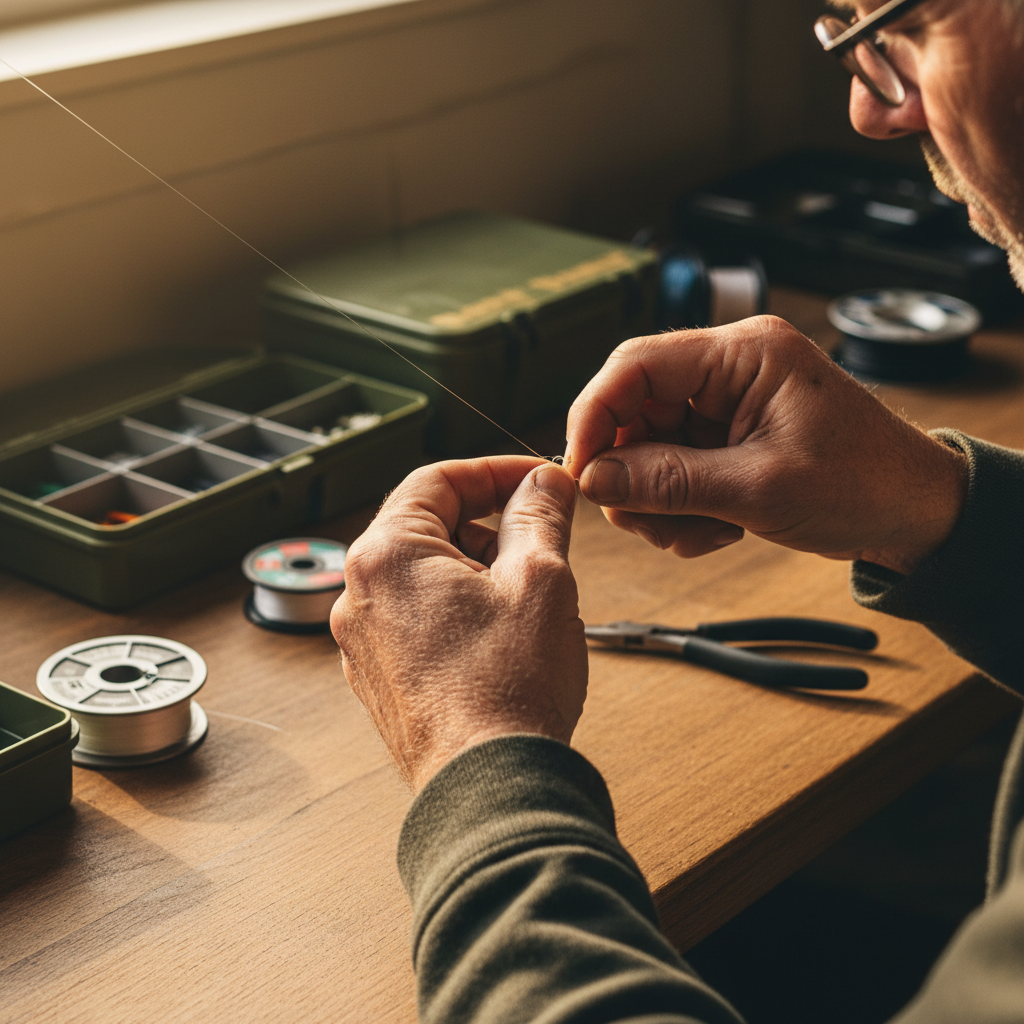
Equipping yourself with the right gear is another essential aspect. This includes a well-stocked first aid kit, a fully charged mobile phone, and enough food and water for the duration of your trip. Inform someone about your fishing plans and expected return time as an added precaution.
Safety Gear Essentials
Having the right safety gear can make a significant difference. Always wear a life jacket, regardless of your swimming abilities. It's a simple yet effective way to protect yourself in case of an unexpected fall into the water. Also, consider polarized sunglasses to reduce glare and improve visibility.
A sturdy hat and sunscreen are important to protect against sun exposure. The sun's rays can be harsh, especially when reflected off the water. Staying protected ensures a more enjoyable and safe fishing experience.

Handling Equipment Safely
Fishing equipment can be hazardous if not handled properly. Always keep hooks and lures in a tackle box when not in use. Be mindful of others when casting, as hooks can cause serious injuries. It's a good practice to look around and ensure the area is clear before casting your line.
When using knives or other sharp tools, ensure they are kept in a safe place and handled with care. It's easy to get caught in the excitement of a catch, but taking a moment to handle equipment safely can prevent accidents.
Understanding Water Conditions
Water conditions can change rapidly and affect your safety. Be aware of strong currents and tides, particularly in coastal areas. It's essential to understand how these can impact your fishing spot and your ability to return safely.
If you're fishing from a boat, ensure it's in good condition and equipped with necessary safety devices such as flares and a whistle. These tools can be vital in signaling for help if needed.
Dealing with Wildlife
While fishing, it's vital to respect the local wildlife. Be cautious of potentially dangerous animals like snakes or alligators in freshwater areas. Keeping a safe distance is key to avoiding unwanted encounters.
Ensure any waste, such as bait packaging or fishing line, is disposed of properly to protect the environment and wildlife. Sustainable fishing practices help preserve the ecosystem for future generations of anglers.

Emergency Preparedness
Despite the best precautions, emergencies can still occur. Knowing basic first aid, such as how to treat cuts or remove a hook from skin, is invaluable. Consider taking a first aid course to be better prepared.
In the event of an emergency, stay calm and assess the situation. Use your mobile phone or any signaling devices to call for help. Having a plan in place can help you respond effectively and ensure safety for yourself and others.