
How Seasonal Changes Affect Fishing Conditions


Understanding Seasonal Changes in Fishing
Fishing enthusiasts know that seasonal changes can significantly impact fishing conditions. As the seasons shift, so do water temperatures, fish behavior, and feeding patterns. Understanding these changes can help anglers optimize their fishing strategy and increase their chances of success.
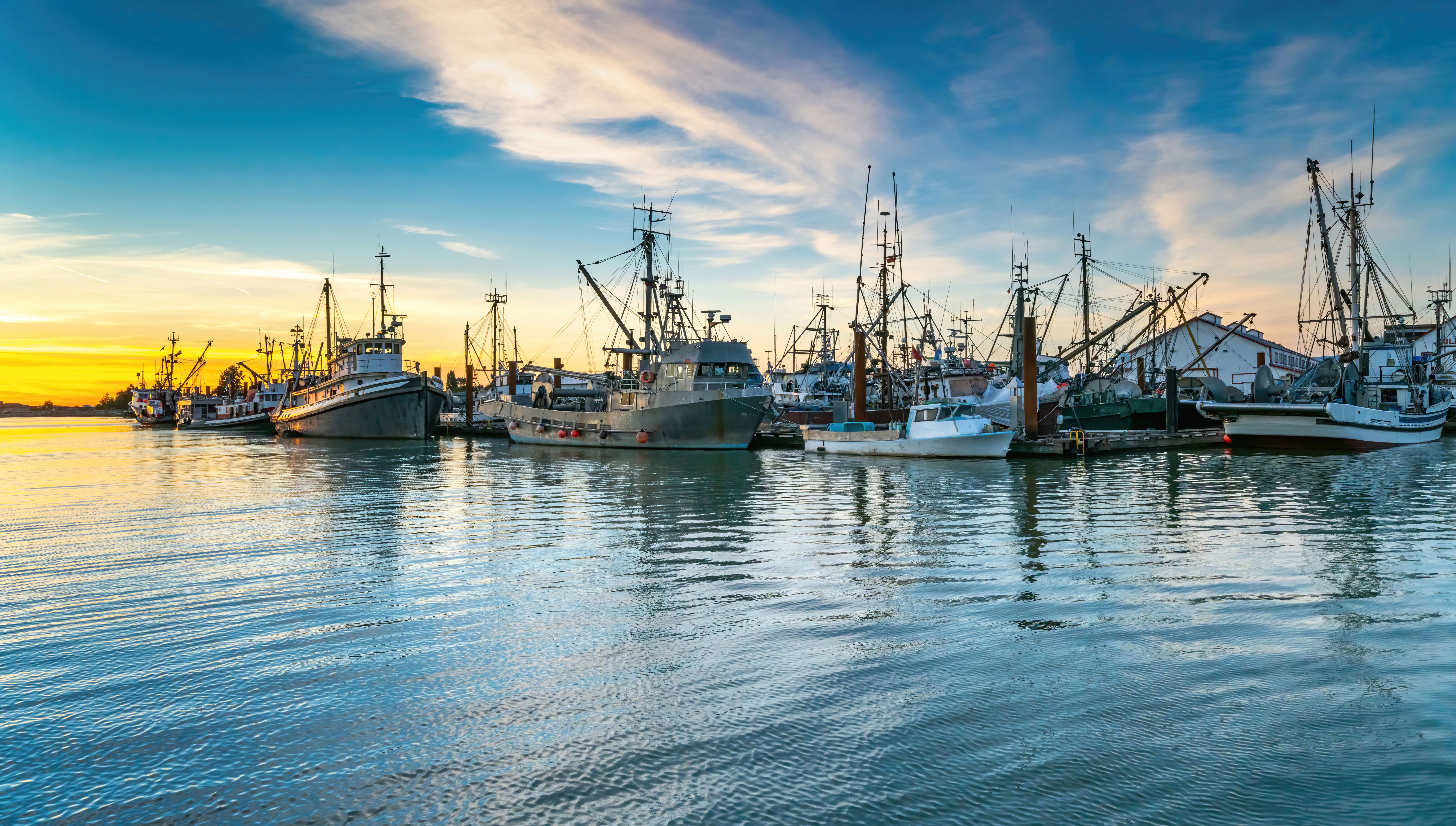
Spring: Awakening of Aquatic Life
Spring marks the beginning of rejuvenation in aquatic ecosystems. As water temperatures rise, fish become more active after the sluggish winter months. This is a prime time for anglers, as many species move into shallower waters to spawn.
During this season, try using bright-colored lures to attract attention. Fish are more likely to strike as they become more aggressive and territorial.
Summer: Warm Waters and Active Fish
Summer offers some of the best fishing conditions. Warm water temperatures increase fish metabolism, leading to more frequent feeding. However, fish may retreat to deeper, cooler waters during the hottest parts of the day.

Early morning and late evening are the best times to fish in summer. Focus on areas with structure, such as submerged logs or weed beds, where fish seek shelter and food.
Fall: A Time for Transition
As temperatures cool down in fall, fish prepare for the winter months. They tend to feed heavily to build energy reserves, making this a rewarding time for anglers. Fish often move from deeper waters to shallower areas, following baitfish.
Using natural bait or mimicking the local forage can be particularly effective during this period. Pay attention to weather patterns, as sudden cold fronts can impact fish activity.

Winter: Challenges and Rewards
Winter fishing poses unique challenges, as many fish become lethargic in cold waters. However, it's not impossible to catch fish during this season. Focus on fishing during the warmest parts of the day when fish are more likely to be active.
Slow, deliberate presentations work best in winter. Consider using jigs or live bait to entice sluggish fish. Patience is key, as bites may be far and few between.
Adapting to Seasonal Changes
Understanding and adapting to seasonal changes is crucial for successful fishing. By learning how different conditions affect fish behavior, anglers can adjust their strategies accordingly.
- Monitor water temperatures regularly.
- Pay attention to weather patterns.
- Adjust bait and lure choices based on fish activity.
With the right knowledge and preparation, each season can offer unique and rewarding fishing experiences.