
Innovative Trends in the Fishing Industry: What to Expect Next


Technological Advancements in Fishing Gear
The fishing industry is experiencing a wave of innovation, particularly in the development of new and improved fishing gear. Modern technologies are enhancing traditional equipment, making fishing more efficient and environmentally friendly. For example, smart fishing nets equipped with sensors can now help fishers determine the type and size of the catch, reducing bycatch and promoting sustainable practices.

Moreover, the integration of GPS technology and sonar systems allows for precise location tracking and fish detection, significantly increasing catch rates and reducing fuel consumption. These advancements not only boost productivity but also contribute to the conservation of marine ecosystems.
Sustainable Practices and Eco-Friendly Initiatives
As awareness of environmental issues grows, the fishing industry is prioritizing sustainability. Many companies are investing in eco-friendly practices, such as using biodegradable materials for nets and traps. These initiatives help minimize the impact on the ocean environment and ensure the long-term viability of fishing resources.
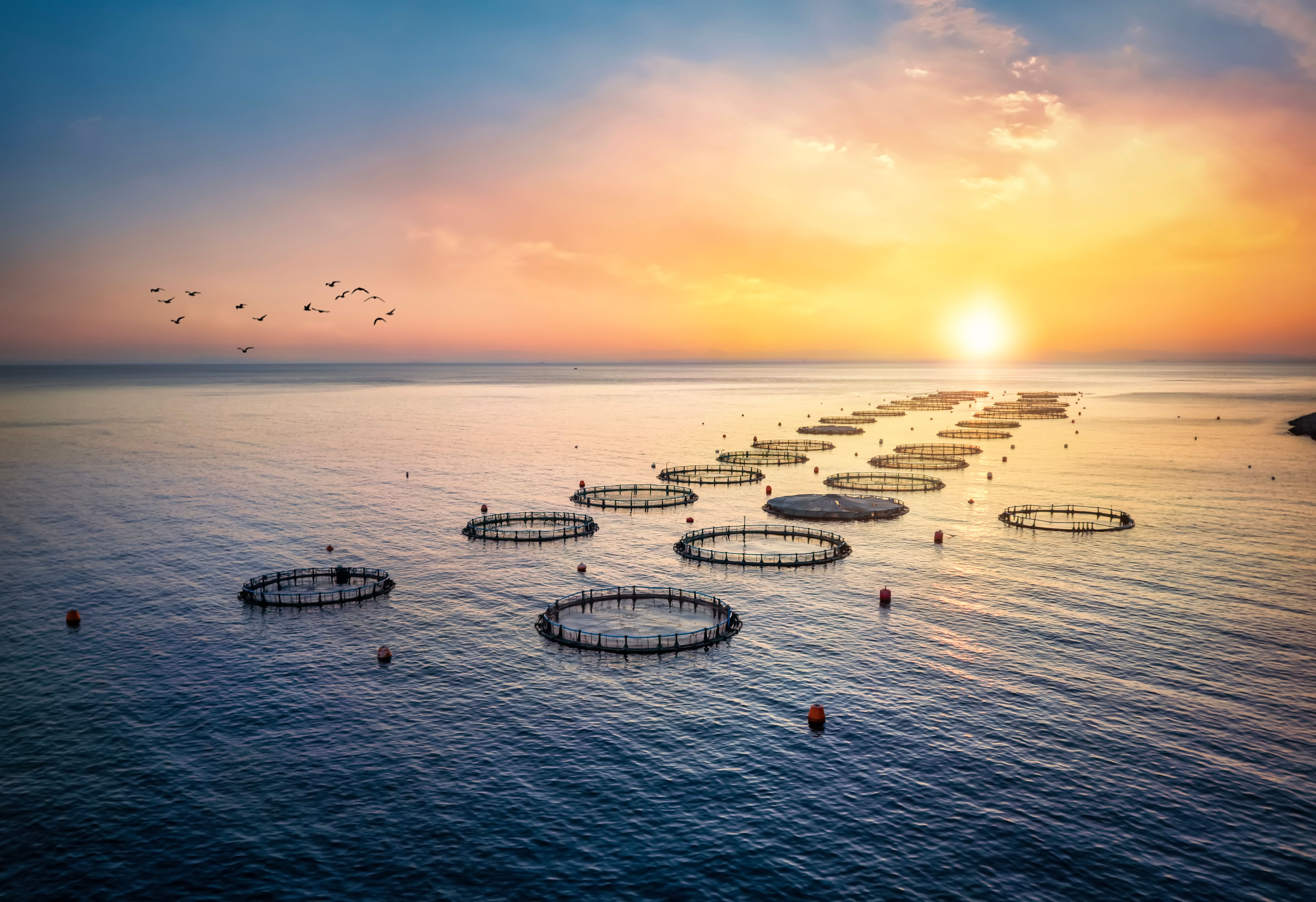
Additionally, there is a rising trend of aquaculture or fish farming, which offers a sustainable alternative to wild fishing. By cultivating fish in controlled environments, aquaculture reduces pressure on wild fish populations and supports local economies.
Digitalization and Data-Driven Decisions
The digital revolution is transforming the fishing industry by introducing data analytics and artificial intelligence. Fishers are now leveraging data to make informed decisions about when and where to fish, optimizing their operations and maximizing profits. Advanced software solutions can analyze weather patterns, ocean currents, and fish migration routes, providing valuable insights.

This data-driven approach not only enhances efficiency but also aids in maintaining ecological balance by avoiding overfishing and protecting endangered species. The integration of technology is proving to be a game-changer for sustainable fishing practices.
Consumer Trends and Market Demands
Consumer preferences are shifting towards sustainably sourced seafood, driving changes within the industry. Transparency in the supply chain has become crucial, with consumers demanding information about the origin and sustainability of their seafood. Labels and certifications that verify sustainable practices are gaining popularity.
Moreover, there is an increasing demand for fresh and locally sourced seafood, prompting fishers to adopt practices that ensure quality and traceability. These market demands are encouraging the industry to innovate and adapt, aligning with consumer expectations and environmental standards.
Future Prospects and Challenges
Looking ahead, the fishing industry is poised to continue evolving with technological advancements and sustainable practices. However, challenges such as climate change, regulatory pressures, and the need for international collaboration remain. Addressing these issues will be critical to ensuring the industry's growth and sustainability.
In conclusion, the fishing industry is embracing innovation and change, driven by technology and sustainability goals. As these trends continue to develop, the future of fishing looks promising, balancing the needs of both the environment and the market.