
Mastering the Art of Fly Fishing: Expert Tips from Dreisbach and Sons Inc


Understanding Fly Fishing Basics
Fly fishing is more than just a sport; it’s an art form that requires patience, skill, and a deep appreciation for nature. At Dreisbach and Sons Inc., we've spent decades perfecting the craft, ensuring that our clients have the best experience possible. Whether you're a seasoned angler or a curious beginner, understanding the basics is crucial to mastering this timeless activity.
Choosing the Right Equipment
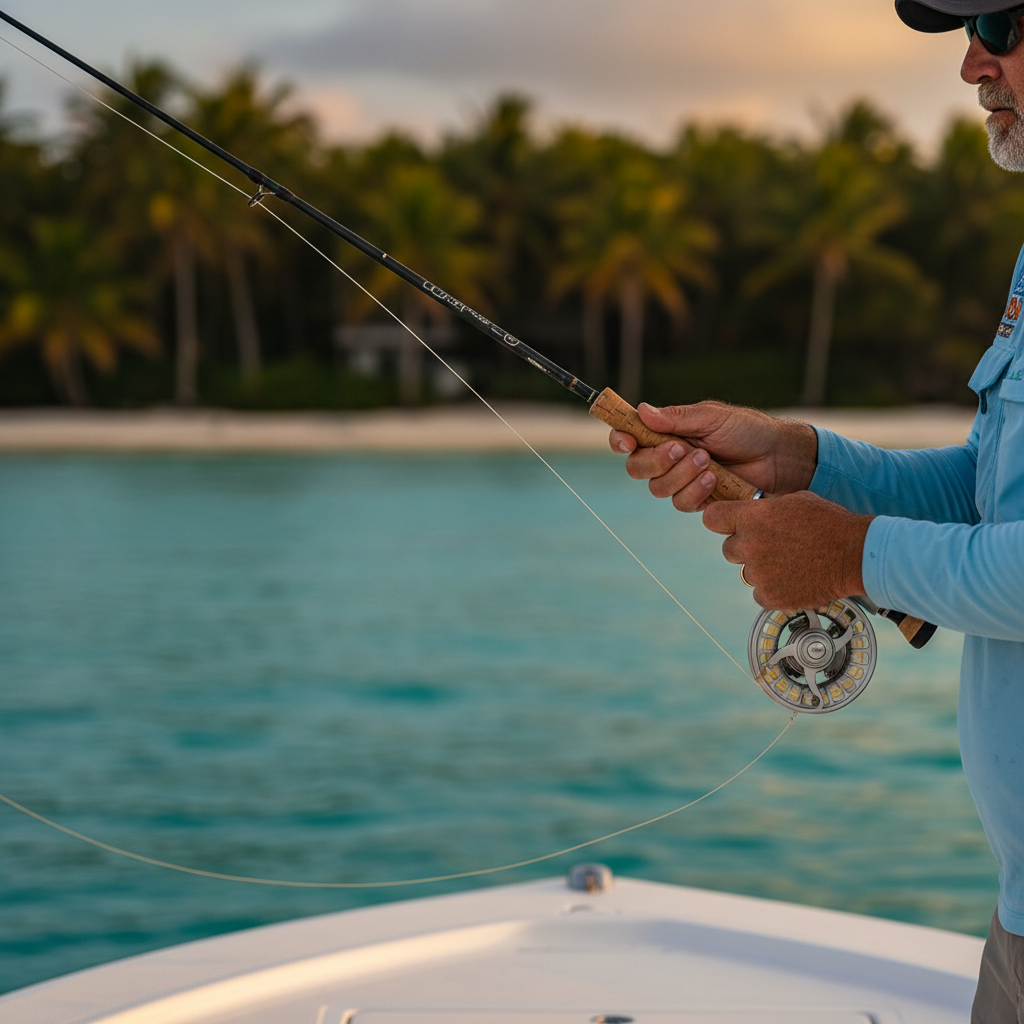
One of the first steps in fly fishing is selecting the right gear. The choice of rod, reel, and line can significantly affect your performance. At Dreisbach and Sons Inc., we recommend starting with a medium-action rod for versatility. This type of rod offers a good balance, making it easier to cast in various conditions.
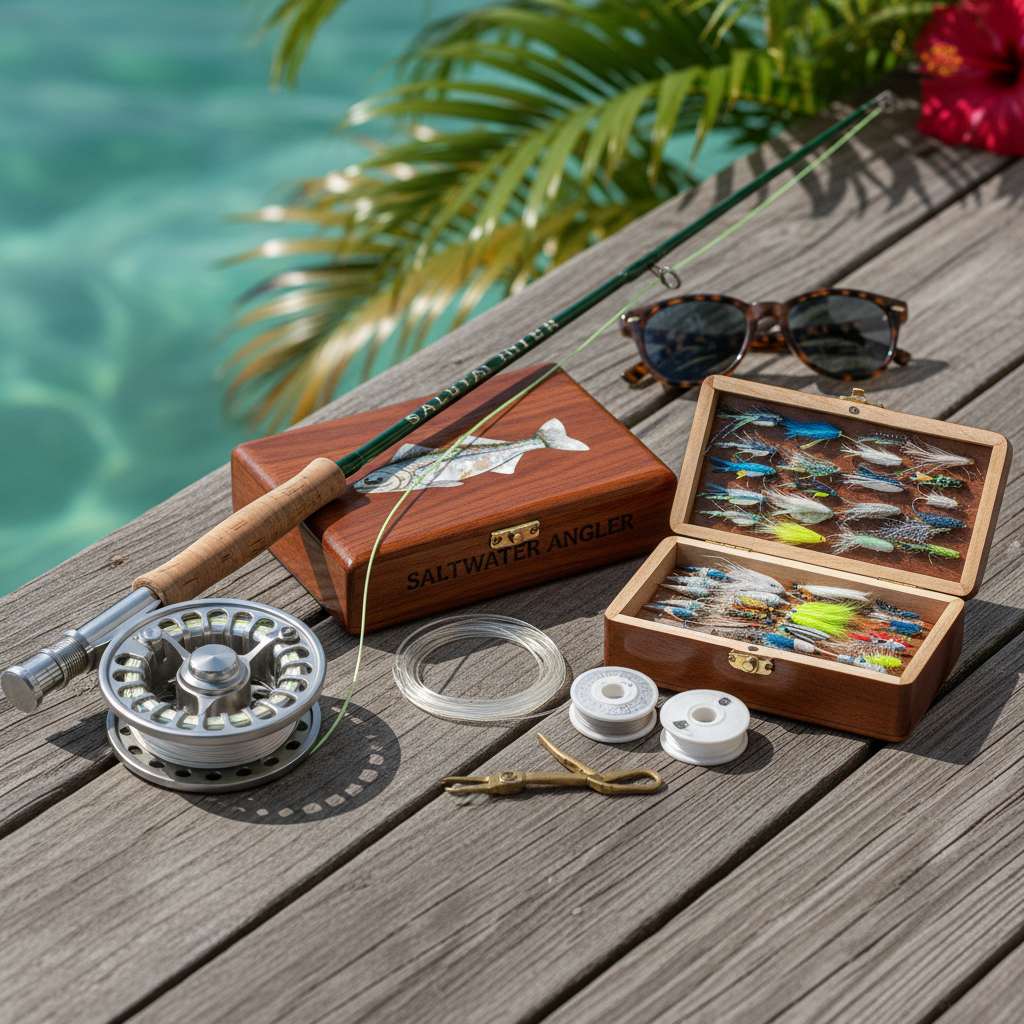
Equally important is the selection of flies. These lures mimic the appearance of natural prey, and choosing the right one can make all the difference. We suggest keeping a diverse collection, ranging from dry flies to nymphs, to adapt to changing conditions.
Mastering Casting Techniques
Casting is a fundamental skill in fly fishing. It involves more than just strength; it’s about timing and precision. Begin with practicing the basic overhead cast, focusing on smooth, fluid movements. The key is to let the rod do the work, allowing the line to extend gracefully over the water.
As you progress, try mastering the roll cast, which is particularly useful in tight spots with limited backcasting room. Practicing these techniques will enhance your accuracy and distance, improving your overall success rate.
Reading the Water
Understanding how to read the water is essential for locating fish. Look for areas where fast and slow currents meet, as these are prime feeding spots. Fish often gather where there’s ample cover and food supply.
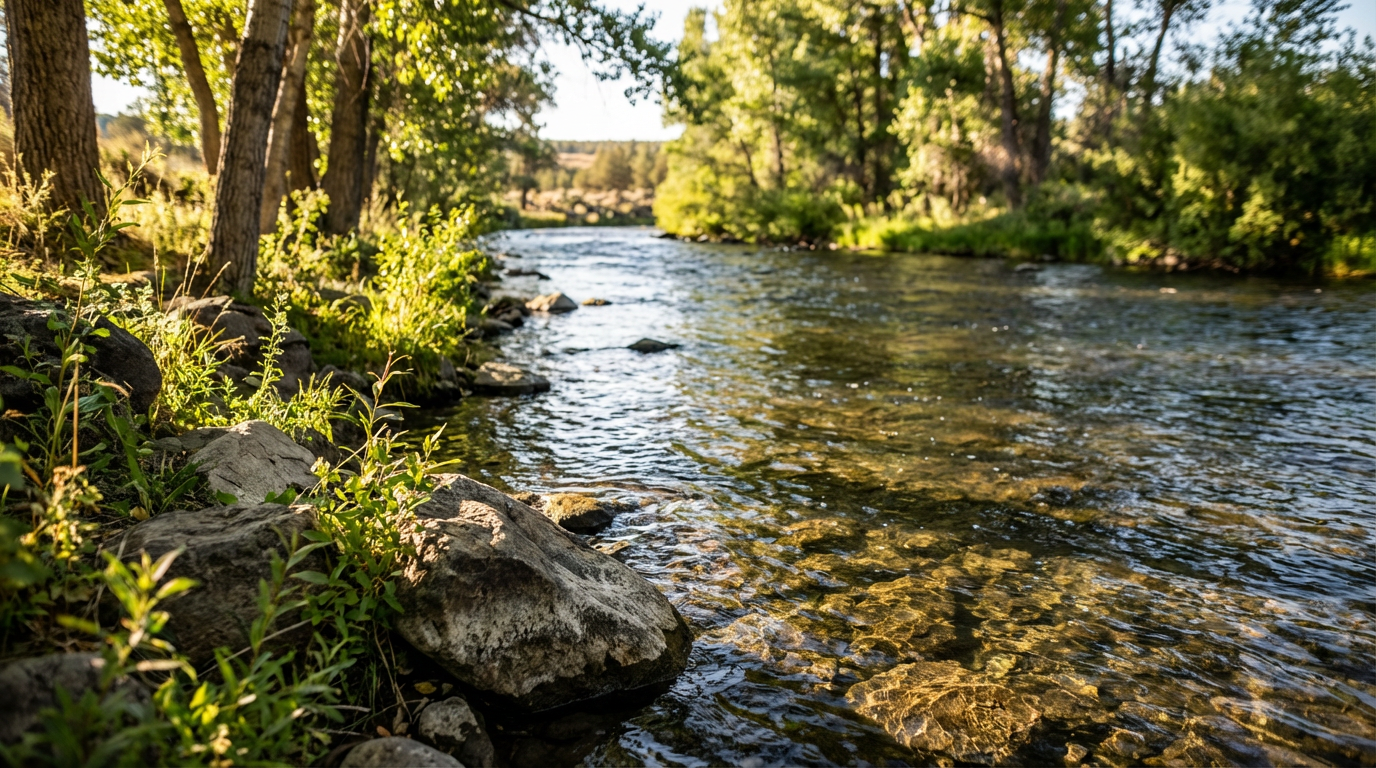
Observing the surface activity can also provide clues. Notice any rising fish or insect hatches, as these indicate active feeding zones. Patience and observation are vital in identifying the best spots to cast your line.
Adapting to Different Conditions
Fly fishing conditions can change rapidly, influenced by weather, season, and time of day. Adaptability is key. On bright, sunny days, fish might retreat to deeper waters, requiring you to adjust your approach. Conversely, overcast conditions often encourage more surface activity.
Always be prepared to change your fly selection and presentation based on these factors. The ability to adapt quickly will greatly enhance your success on the water.
Conservation and Respect for Nature
At Dreisbach and Sons Inc., we emphasize the importance of conservation and respect for the environment. Practicing catch and release, properly handling fish, and minimizing your impact on the ecosystem are vital practices for preserving the beauty of our waterways for future generations.
By following these expert tips and embracing the art of fly fishing, you’ll not only improve your skills but also deepen your connection to nature. Remember, the journey is just as rewarding as the catch. Happy fishing!