
Myth-Busting: Common Misconceptions About Fishing Regulations


Fishing regulations often come with a myriad of misconceptions that can confuse both novice and experienced anglers. Understanding the truth behind these regulations is crucial for sustainable fishing and conservation efforts. Here, we debunk some of the most common myths surrounding fishing rules.
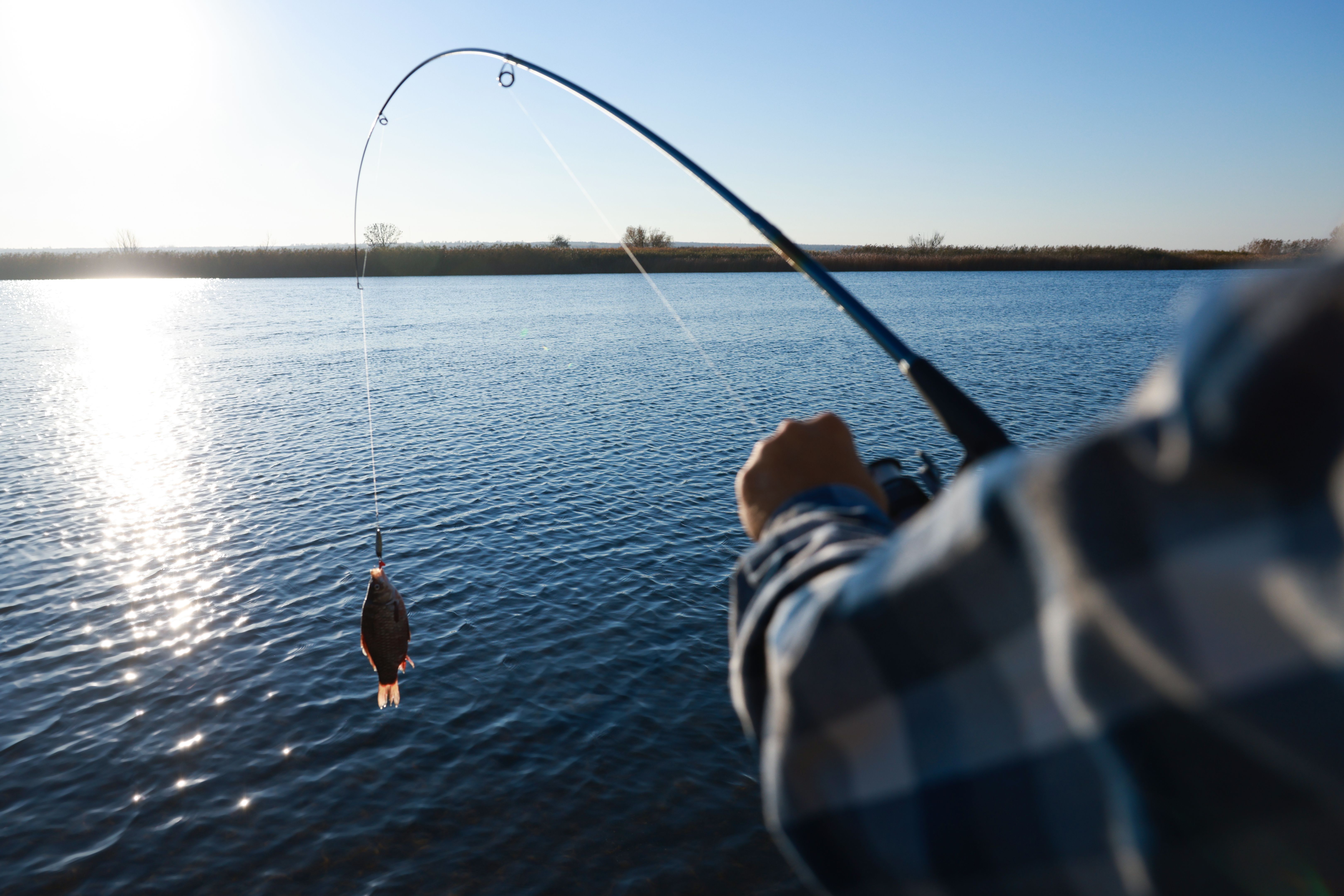
Myth 1: Fishing Regulations Are the Same Everywhere
A common misconception is that fishing regulations are uniform across different regions. In reality, fishing rules can vary significantly from one area to another. These regulations are often tailored to local ecosystems and fish populations.
For example, a fishing license in one state does not necessarily grant you the right to fish in another. Always check the specific regulations of the area you’re planning to visit to ensure compliance.
Myth 2: Catch and Release Has No Impact
Some anglers believe that catch and release has no effect on fish populations. While releasing fish is generally better than keeping them, it’s important to handle fish properly to ensure their survival.
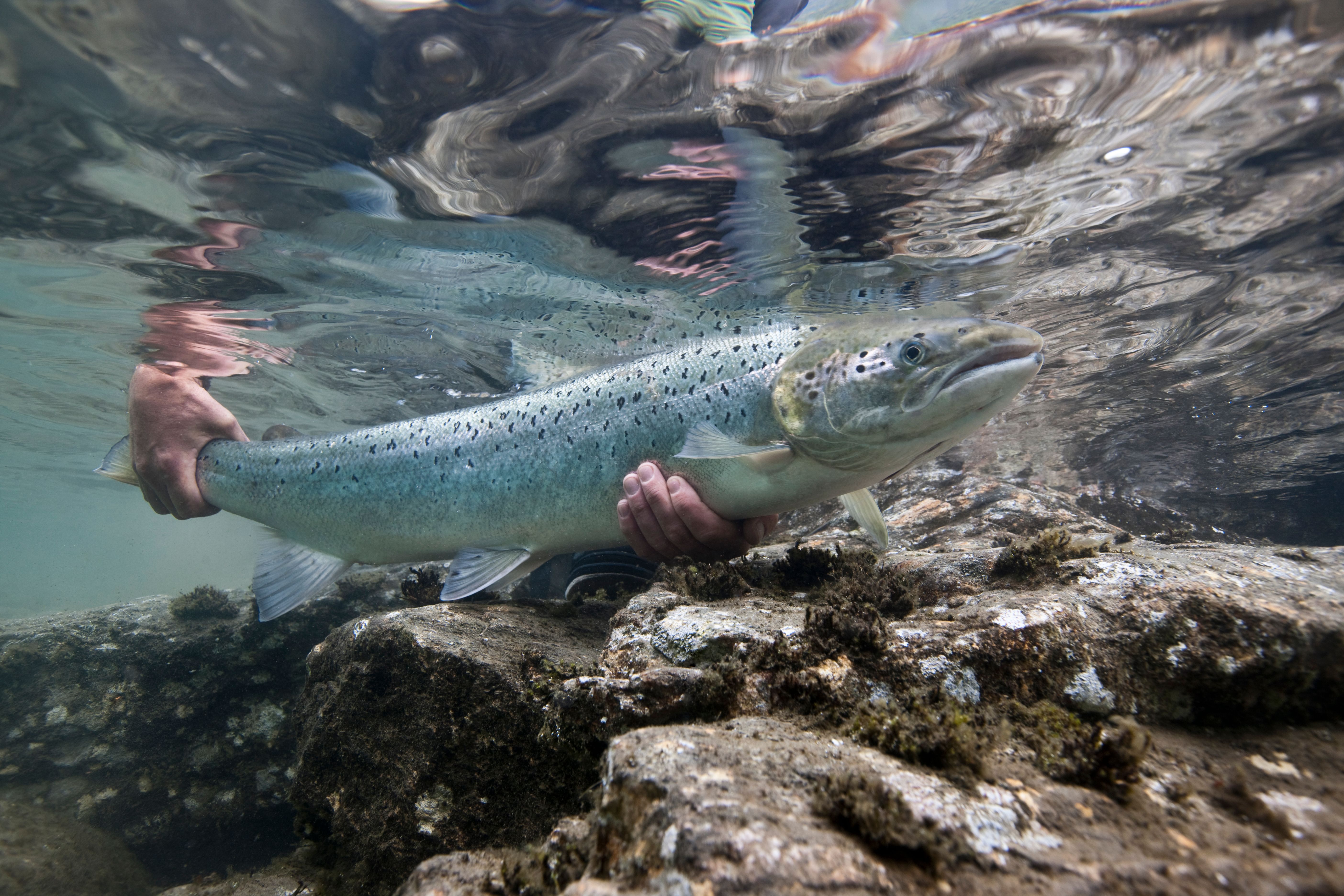
Improper handling, such as keeping the fish out of water for too long, can cause stress and mortality. Using barbless hooks and wetting your hands before handling fish can make a significant difference.
Myth 3: Overfishing Isn't a Concern in Freshwater
Many assume that overfishing is only a problem in oceans. However, freshwater bodies are equally vulnerable. Species like bass and trout can suffer from overfishing, leading to a decline in populations.
Regulations such as bag limits and seasonal closures are put in place to prevent overfishing in these environments. Respecting these rules helps maintain a balanced ecosystem.

Myth 4: All Fish Are Safe to Eat if Legal to Catch
Just because a fish is legal to catch doesn’t mean it’s always safe to eat. Some fish may contain high levels of mercury or other pollutants, especially those caught in certain areas.
Consult local advisories and guidelines regarding fish consumption. These are often based on scientific research and provide crucial information for your health and safety.
Myth 5: Violations Are Rarely Enforced
Some anglers think that fishing regulations are seldom enforced, leading to a disregard for the rules. However, wildlife officers regularly patrol popular fishing areas and can impose fines for violations.
Being informed and compliant not only keeps you on the right side of the law but also supports conservation efforts that benefit everyone.

Understanding the Importance of Regulations
Fishing regulations are designed to protect fish populations and ensure that future generations can enjoy fishing. By dispelling these myths and educating yourself on the rules, you contribute to sustainable fishing practices.
Next time you head out, remember these debunked myths and follow the guidelines. It’s a small effort that makes a big difference in preserving our aquatic ecosystems.