
Seasonal Fishing Tips: Making the Most of Your Outdoor Adventures


Understanding Seasonal Changes
Fishing is a delightful way to connect with nature, but understanding the influence of seasons can significantly enhance your experience. Different species of fish behave differently as temperatures and daylight hours change. By adjusting your strategies and targeting specific fish during their peak seasons, you can improve your catch rate and enjoy more successful outings.
Spring is often considered the best time for fishing as fish become more active after the winter. As the water warms, many species move to shallower areas to spawn. This is the perfect time to target species like bass and crappie. As summer approaches, fish tend to move deeper to escape the heat, requiring different tactics.
Essential Gear Adjustments
Having the right gear for each season can make a big difference in your success. In the spring, lighter tackle is often more effective since fish are closer to the surface and more aggressive. As summer sets in, consider using heavier weights to reach deeper waters where fish seek refuge from the heat.
During the fall, fish start feeding aggressively in preparation for winter, so larger baits can be more enticing. Winter fishing, on the other hand, requires specialized gear like ice augers and thermal clothing to ensure safety and comfort.
Seasonal Fishing Techniques
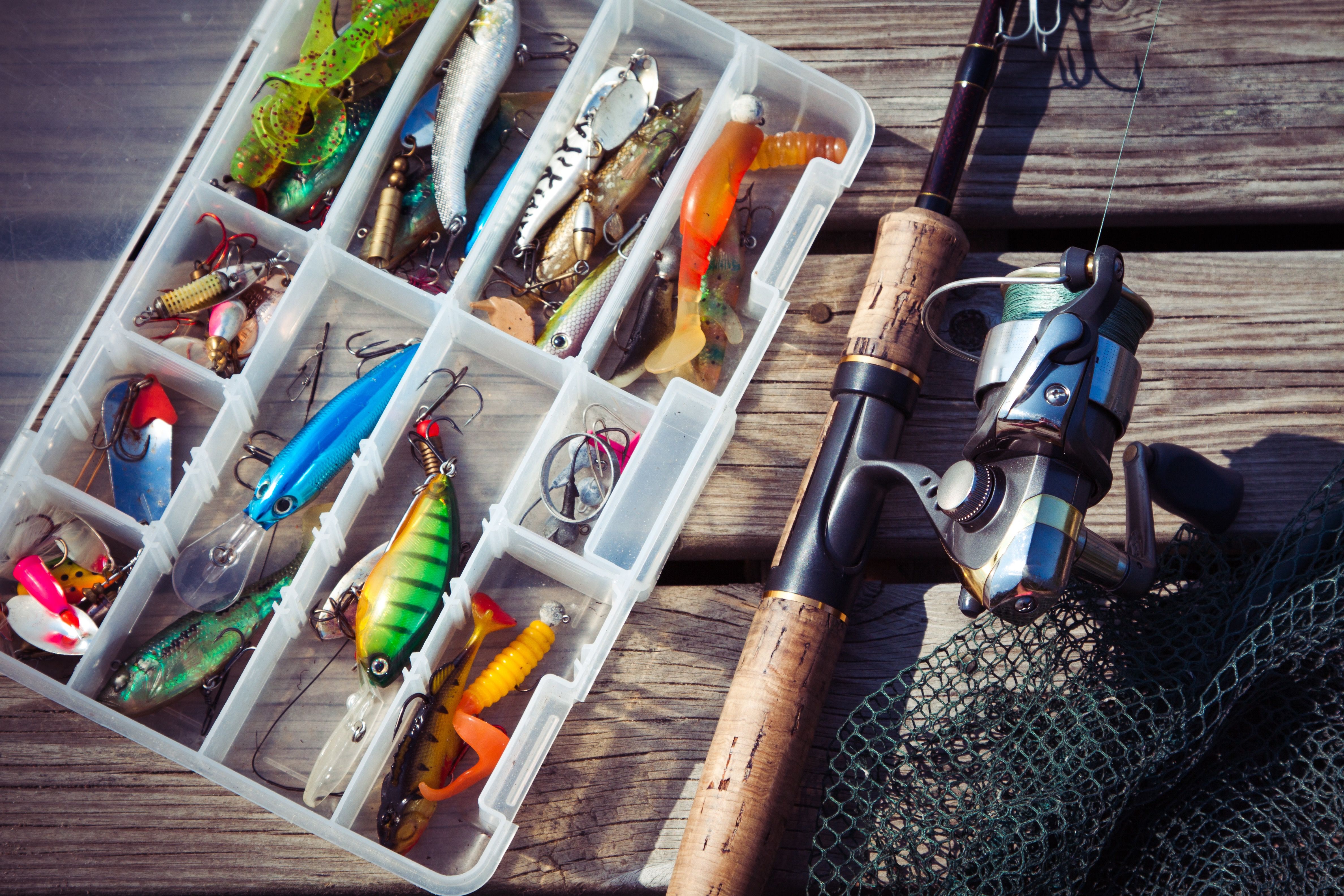
Each season requires different fishing techniques to maximize your success. In the spring, try using topwater lures and shallow-running crankbaits to attract fish that are near the surface. As the waters warm in summer, switch to deep-diving crankbaits and jigs to reach fish in cooler, deeper waters.
In the fall, fish are more aggressive, so fast-moving baits like spinnerbaits and lipless crankbaits can be highly effective. During winter, slow down your presentation with soft plastics and live bait to entice sluggish fish.
Safety Considerations
Each season presents its unique safety challenges. In spring and fall, weather can be unpredictable, so always check forecasts and be prepared for sudden changes. Summer fishing requires sun protection and hydration to prevent heat-related illnesses.
Winter fishing, especially ice fishing, demands extra caution. Ensure the ice is thick enough to support your weight, and always fish with a partner for added safety. Wearing appropriate clothing and carrying emergency gear can make all the difference.
Planning Your Fishing Trips
Successful fishing trips often come down to proper planning. Research your chosen location and learn about the resident fish species and their seasonal behaviors. This knowledge will help you select the right gear and techniques for your trip.
Consider keeping a fishing journal to track your experiences, noting the conditions, techniques used, and the fish caught. Over time, this can help you identify patterns and improve your fishing strategy.
Conclusion
By understanding how seasonal changes affect fish behavior and adapting your strategies accordingly, you can make the most of your outdoor fishing adventures. Whether you're a seasoned angler or a beginner, these tips can enhance your fishing experience and lead to more successful catches.
Embrace the beauty of each season and enjoy the unique challenges and rewards that fishing brings throughout the year. Happy fishing!