
The Ultimate Guide to Sustainable Fishing Practices


Introduction to Sustainable Fishing
As global demand for seafood continues to rise, the need for sustainable fishing practices becomes ever more critical. These practices aim to preserve marine ecosystems while supporting the livelihoods that depend on them. Understanding and implementing sustainable fishing can pave the way for a healthier planet and thriving communities.
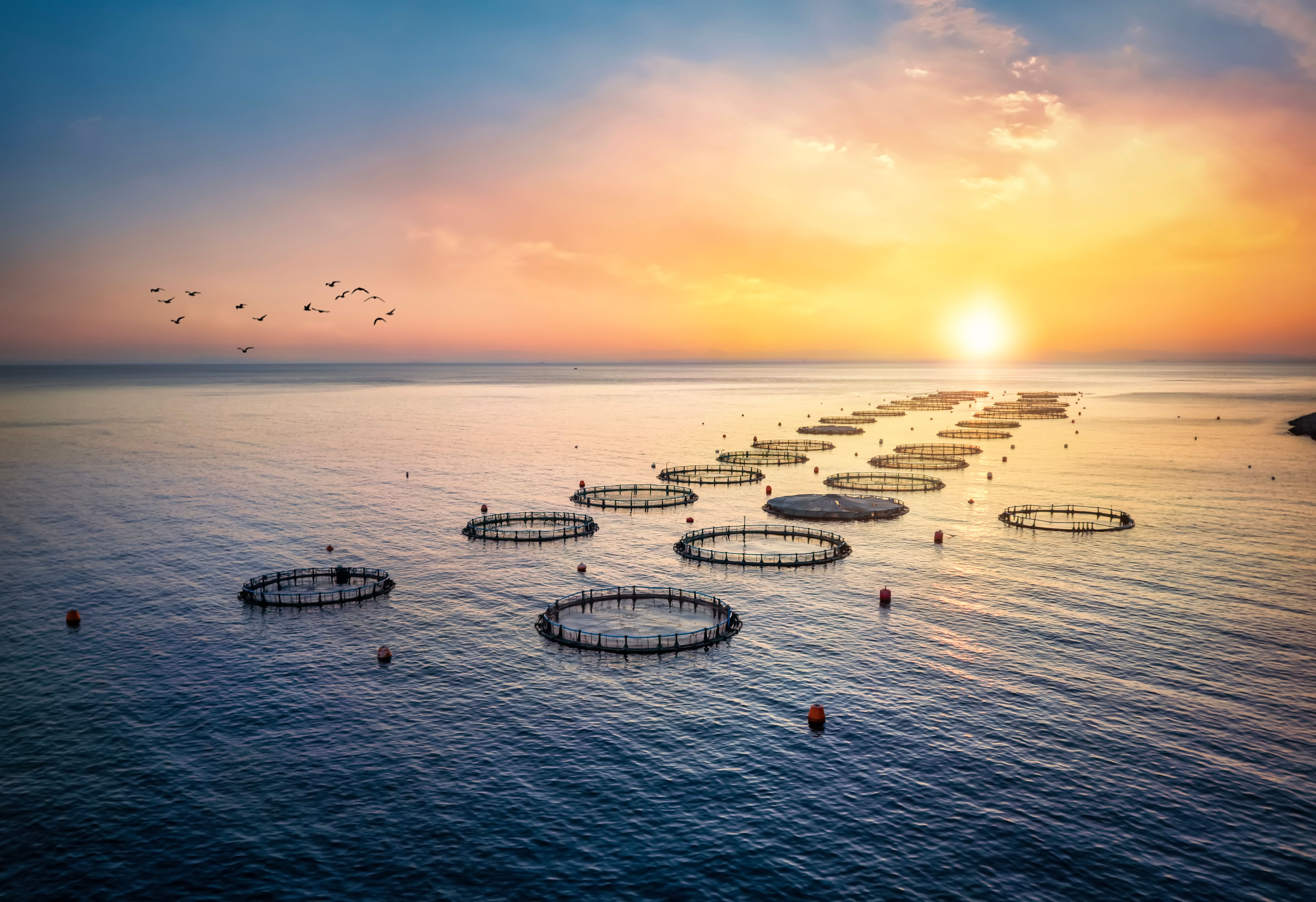
What is Sustainable Fishing?
Sustainable fishing involves methods that allow fish populations to remain productive and healthy over the long term. This means catching fish at a rate where the population can replenish naturally. It also involves minimizing the impact on the environment and other marine life.
Key Principles of Sustainable Fishing
- Maintaining Fish Populations: Ensuring that the fish population remains stable by setting quotas and limiting bycatch.
- Protecting Marine Habitats: Using techniques that minimize damage to marine ecosystems.
- Considering the Entire Ecosystem: Understanding and preserving the relationships within marine ecosystems.
Techniques and Tools for Sustainability
Several techniques and tools can be employed to promote sustainable fishing practices. These include both traditional methods and modern innovations designed to reduce environmental impact.
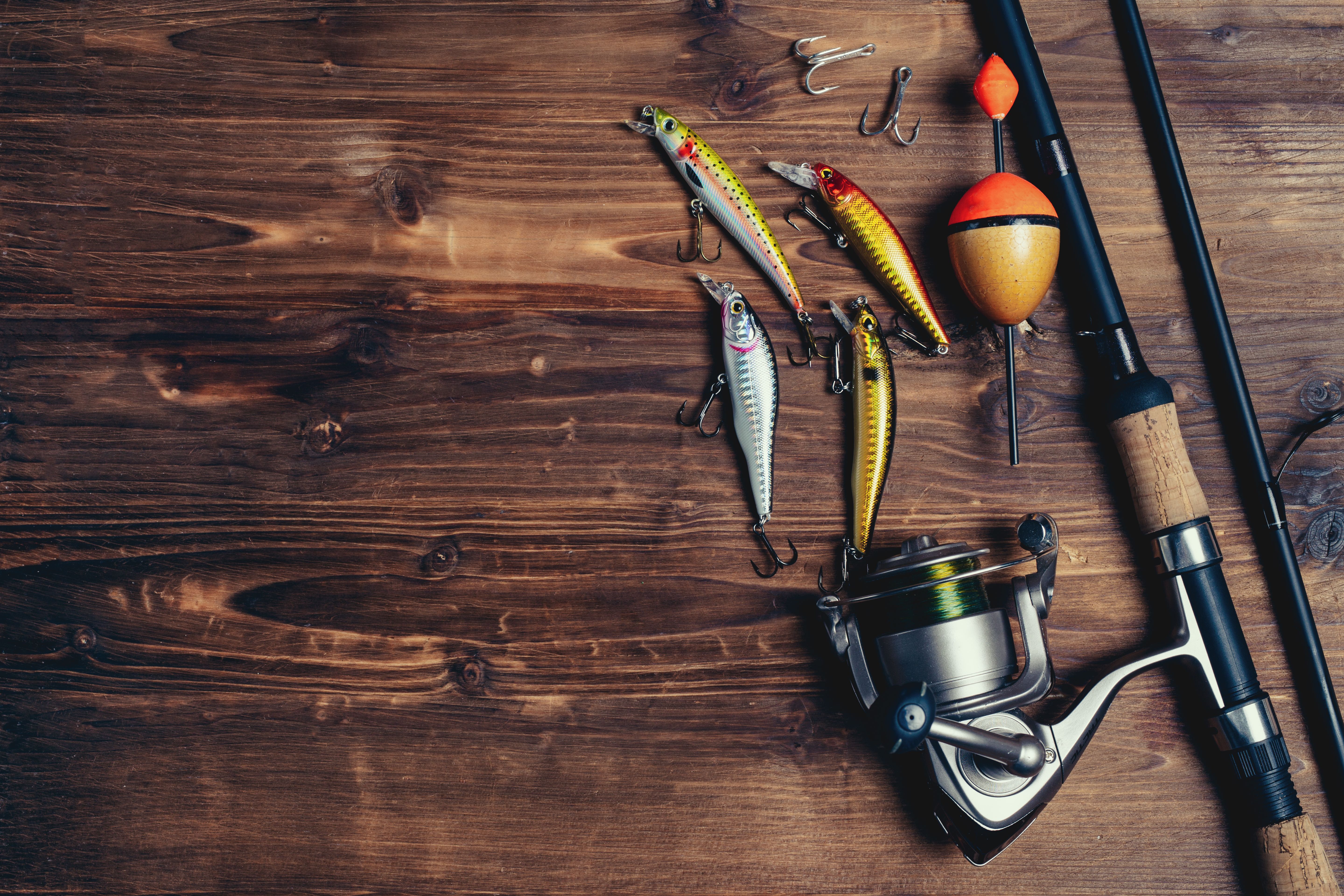
Fishing Gear and Methods
Choosing the right fishing gear is crucial for minimizing damage to marine life and habitats. Some of the sustainable methods include:
- Selective Fishing: Using gear that targets specific species to reduce bycatch.
- Fishing Gear Modifications: Modifying nets and hooks to decrease harm to non-target species.
- Seasonal and Area Closures: Implementing closed seasons or areas to allow fish populations to recover.
The Role of Technology
Technology plays a significant role in advancing sustainable fishing practices. From satellite tracking to data collection, technological innovations are helping to monitor fish stocks and enforce regulations more effectively.

Innovative Solutions
Some of the cutting-edge solutions in sustainable fishing include:
- Electronic Monitoring Systems: Cameras and sensors on fishing vessels to ensure compliance with regulations.
- Data Analysis Tools: Analyzing data to make informed decisions about fishing practices and quotas.
Why Sustainable Fishing Matters
Sustainable fishing practices are essential not only for preserving marine biodiversity but also for supporting the global economy. Millions of people rely on fishing for their livelihoods, and the industry contributes significantly to the world’s food supply.
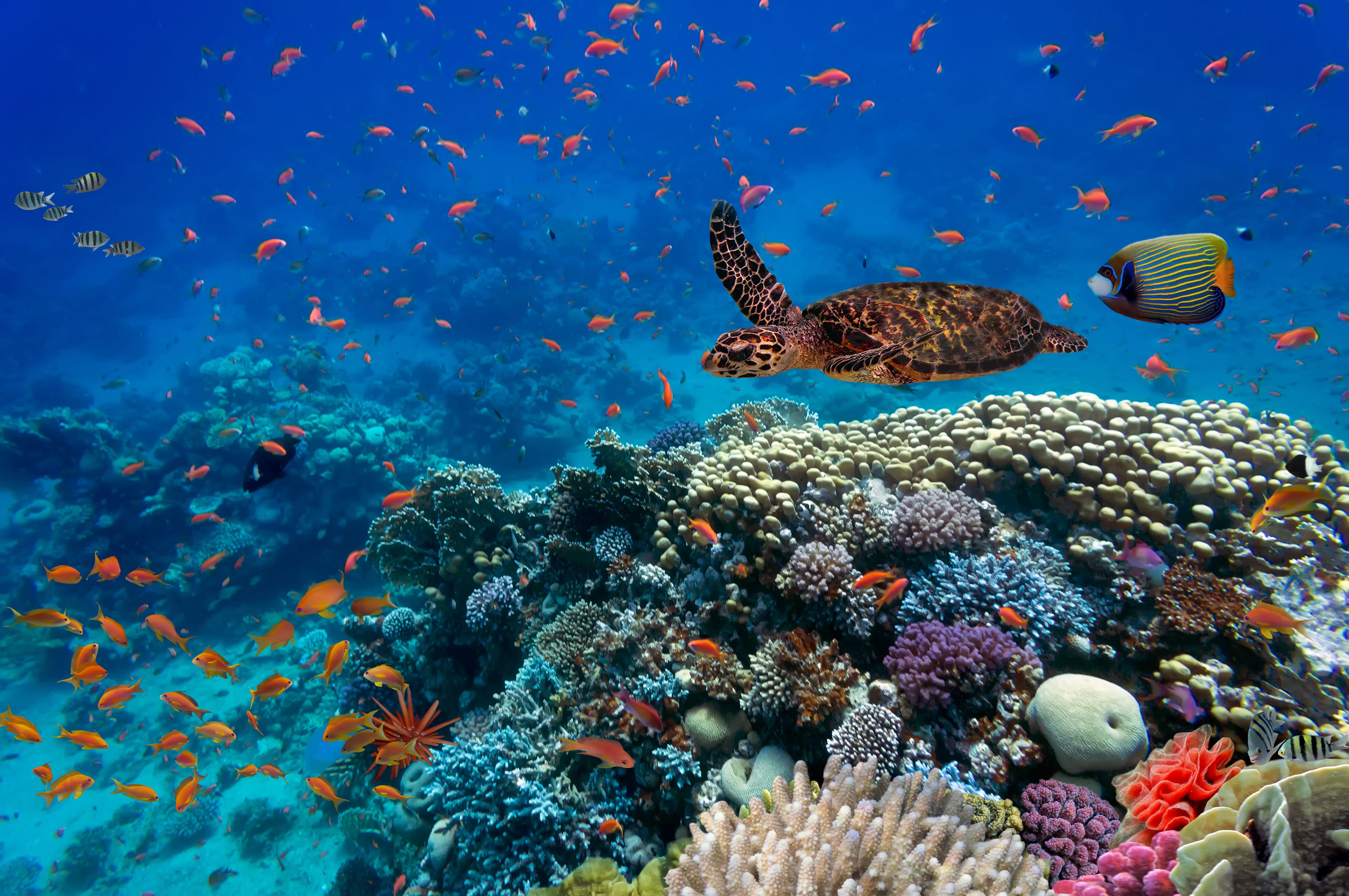
Long-term Benefits
Adopting sustainable fishing practices leads to numerous long-term benefits:
- Environmental Health: Healthy ecosystems support diverse marine life.
- Economic Stability: Ensures the longevity of the fishing industry.
- Food Security: Sustainable practices help maintain a stable food supply.
Conclusion
Embracing sustainable fishing practices is not just a choice but a necessity for the future of our oceans and the people who depend on them. By understanding and implementing these practices, we can ensure that marine resources remain available for generations to come.