
Top 5 Myths About Sustainable Fishing Practices Debunked


Understanding Sustainable Fishing
As consumers become more conscious of their environmental impact, sustainable fishing practices have gained significant attention. However, several myths persist that can cloud understanding and hinder progress. Let's debunk the top five myths surrounding sustainable fishing.

Myth 1: Sustainable Fishing Means No Fishing
One of the most common misconceptions is that sustainable fishing implies a complete halt to fishing activities. In reality, sustainable fishing aims to balance the need for seafood with the preservation of ocean ecosystems. This involves implementing practices that allow fish populations to replenish naturally, ensuring a long-term supply.
Myth 2: All Fish Are Endangered
While certain species are indeed threatened, not all fish are endangered. Sustainable fishing practices focus on harvesting species that are abundant and managing quotas to avoid overfishing. By doing so, we can maintain healthy populations of diverse species.
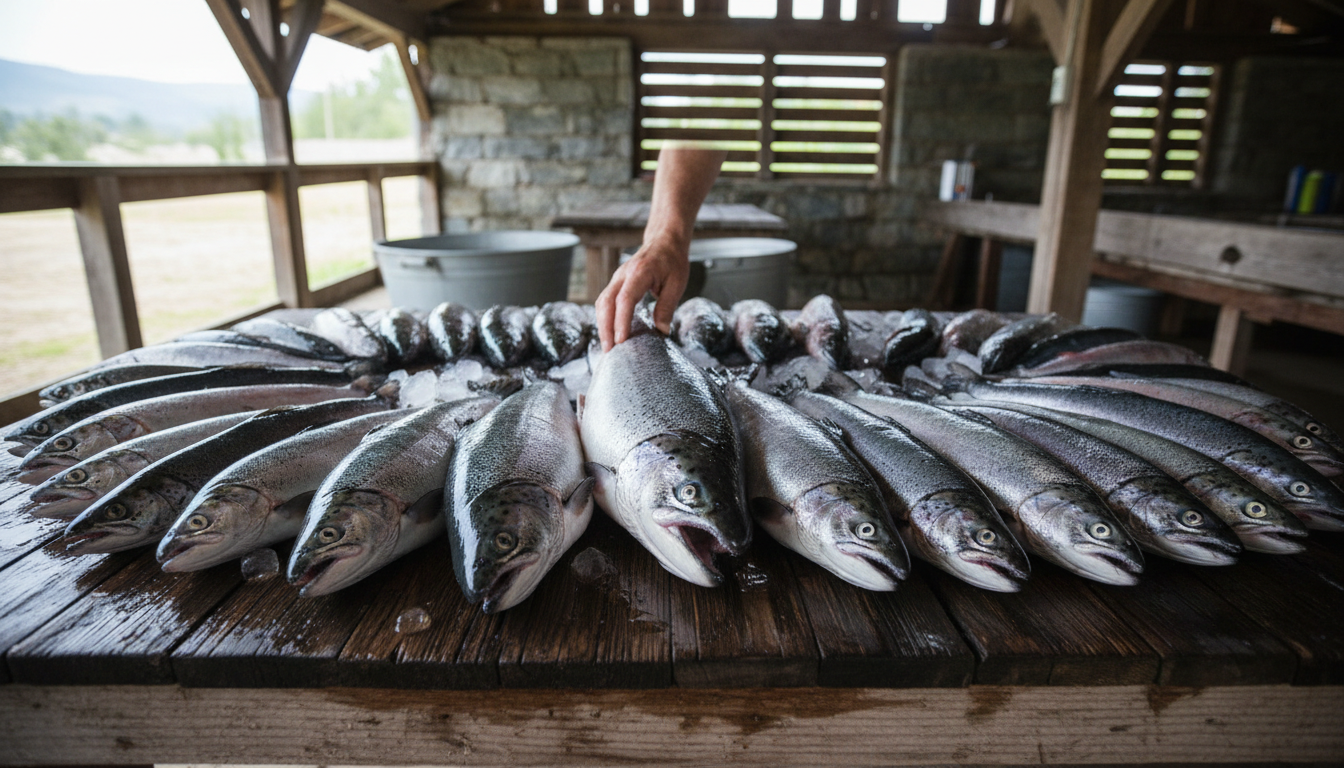
Exploring Sustainable Techniques
Understanding the techniques used in sustainable fishing can help clarify these misconceptions. By employing methods like selective gear and seasonal fishing, sustainability goals can be achieved.
Myth 3: Sustainable Fishing Is Not Economically Viable
Another myth is that sustainable fishing practices are too costly and not economically feasible. However, sustainable methods can lead to long-term economic benefits by ensuring fish stocks are available for future generations. This approach also protects the livelihoods of those who depend on fishing for income.
Myth 4: Consumers Can't Make a Difference
Some believe that individual consumer choices have little impact on sustainable fishing. On the contrary, consumer demand for sustainably sourced seafood encourages businesses to adopt responsible practices. By choosing certified sustainable products, consumers can drive positive change.

Looking Toward the Future
As we move forward, dispelling these myths is crucial to supporting sustainable fishing efforts. By educating ourselves and making informed choices, we can contribute to healthier oceans and a more sustainable future.
Myth 5: Sustainable Fishing Is Just a Trend
Finally, it's important to understand that sustainable fishing is not just a passing trend. It is an essential practice for the preservation of marine life and the wellbeing of our planet. As awareness grows, more individuals and organizations are committing to sustainable practices, ensuring a lasting impact.
In conclusion, debunking these myths helps foster a better understanding of sustainable fishing and its importance. By supporting sustainable practices, we can ensure that future generations enjoy the bounty of the oceans.