
Understanding Fishing Regulations: What Every Angler Needs to Know


Introduction to Fishing Regulations
Fishing regulations are essential for maintaining sustainable fish populations and ensuring that ecosystems remain balanced. Whether you're a seasoned angler or a beginner, understanding these rules is crucial to enjoying your fishing experience without legal complications.
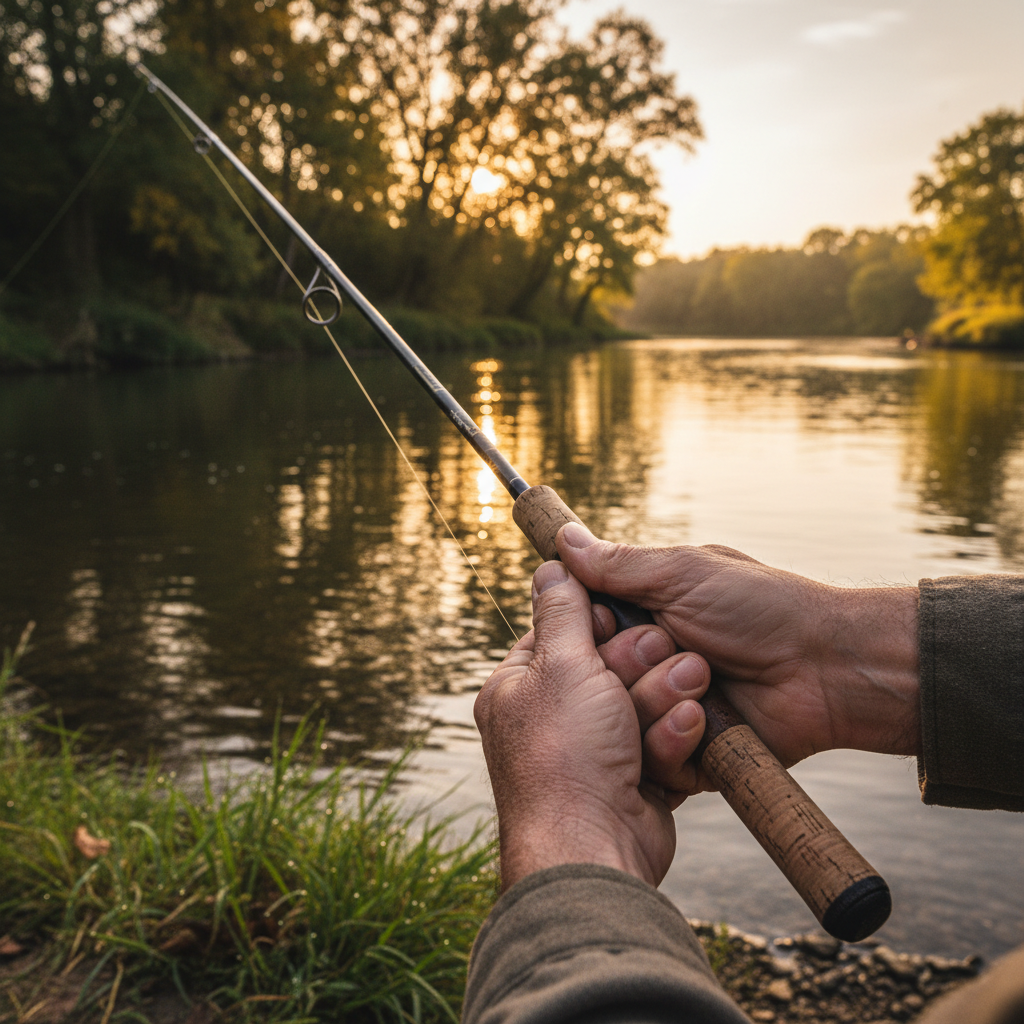
Why Fishing Regulations Matter
Fishing regulations are designed to protect fish populations from overfishing, ensuring that future generations can enjoy the same opportunities. These rules also help maintain the ecological balance, preventing certain species from dominating and disrupting the environment.
By following regulations, anglers contribute to conservation efforts, helping to preserve aquatic habitats and biodiversity. Adhering to these rules not only benefits fish and wildlife but also the communities that rely on these resources for economic and recreational purposes.
Types of Fishing Regulations
Regulations can vary significantly depending on location and target species. Here are some common types of fishing regulations:
- Licensing: Most regions require anglers to obtain a fishing license. This helps fund conservation efforts and ensures that fishing activities are monitored.
- Size and Bag Limits: These limits dictate the size and number of fish you can keep, helping to prevent overharvesting.
- Seasonal Restrictions: Certain areas may have closed seasons to protect fish during their breeding periods.

Understanding Local Regulations
Before heading out, it's essential to familiarize yourself with the local fishing regulations. These can often be found on government wildlife websites or through local fishing authorities. Regulations may differ between freshwater and saltwater fishing and can even vary within regions of the same state.
Being informed about local rules helps you avoid fines and contributes to the overall effort to maintain sustainable fishing practices. It's always a good idea to check for updates before each fishing trip, as regulations can change based on environmental conditions and fish population assessments.
Common Mistakes to Avoid
Even experienced anglers can make mistakes when it comes to fishing regulations. Here are a few common pitfalls:
- Ignoring Catch and Release Guidelines: Some areas require certain species to be released to help replenish stocks.
- Misidentifying Fish Species: Accurate identification is crucial to comply with species-specific regulations.
- Fishing in Closed Areas: Some locations may be off-limits to protect vulnerable ecosystems or species.

How to Stay Informed
Staying informed about fishing regulations is easier than ever with the use of technology. Many regions offer apps that provide real-time updates on rules and conditions. Additionally, subscribing to newsletters from local wildlife agencies can keep you updated on changes and new regulations.
By taking advantage of these resources, you can ensure that your fishing practices are compliant and contribute positively to conservation efforts.
Conclusion
Understanding and adhering to fishing regulations is a responsibility every angler should take seriously. By doing so, you not only protect fish populations but also support the health of aquatic ecosystems. Remember, responsible fishing today ensures that we can all enjoy this beloved pastime for years to come.