
Understanding Local Fishing Regulations Across the U.S.


Understanding Local Fishing Regulations Across the U.S.
Fishing is a beloved pastime for many Americans, providing an opportunity to connect with nature and unwind. However, understanding local fishing regulations is crucial to ensure compliance with laws and the sustainability of fish populations. Across the U.S., these regulations can vary significantly from state to state and even within regions. Knowing the rules before heading out can help you avoid fines and contribute to conservation efforts.
Why Fishing Regulations Matter
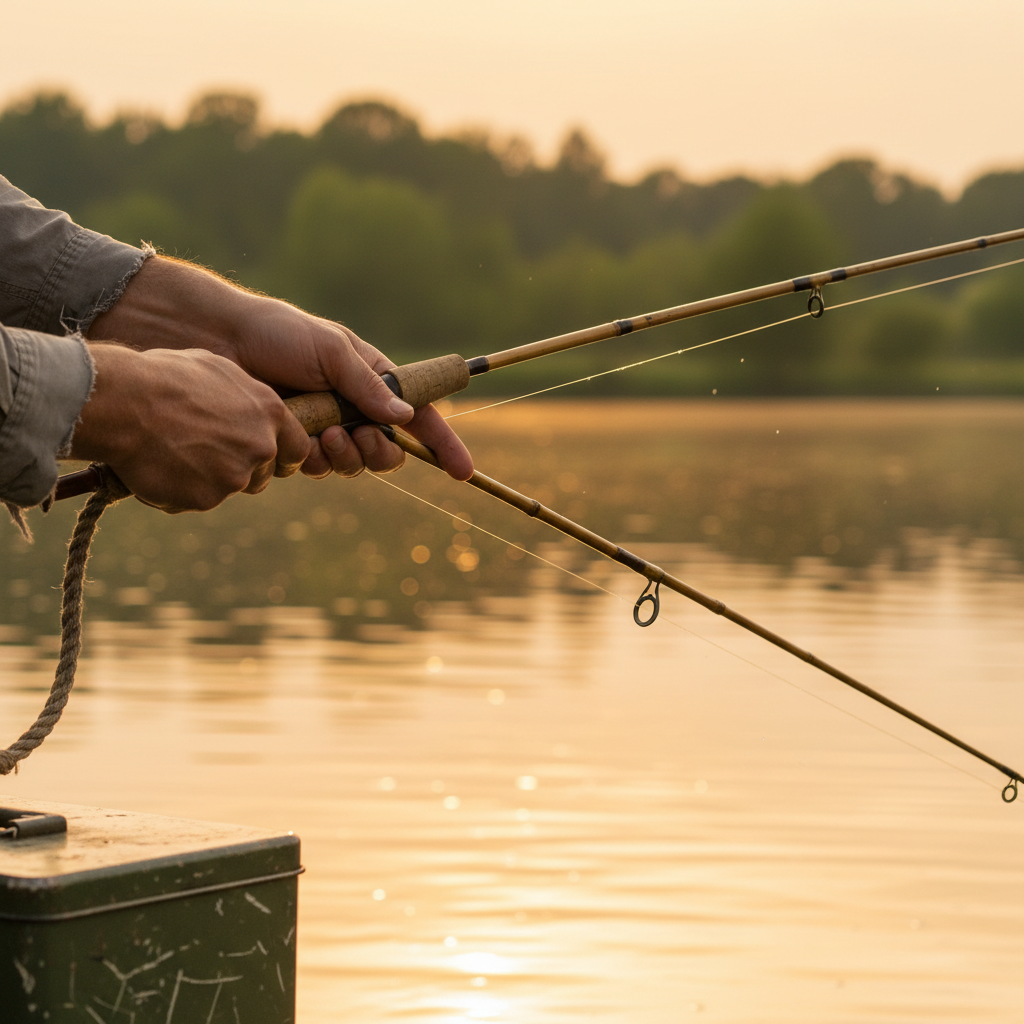
Fishing regulations are put in place to manage fish populations sustainably. They help prevent overfishing and ensure that fish species can thrive. These rules also maintain the balance of aquatic ecosystems, benefiting both the environment and the anglers who enjoy it. By adhering to these regulations, you are playing a part in conserving natural resources for future generations.
Common Types of Regulations
While specific regulations vary, there are common types of rules you might encounter. These often include:
- Size limits: Restrictions on the size of fish you can keep to ensure younger, smaller fish have a chance to mature and reproduce.
- Bag limits: Caps on the number of fish you can catch in a day to prevent overfishing.
- Seasonal restrictions: Designated times for fishing particular species, allowing for breeding seasons to occur without disturbance.
Regional Differences in Regulations
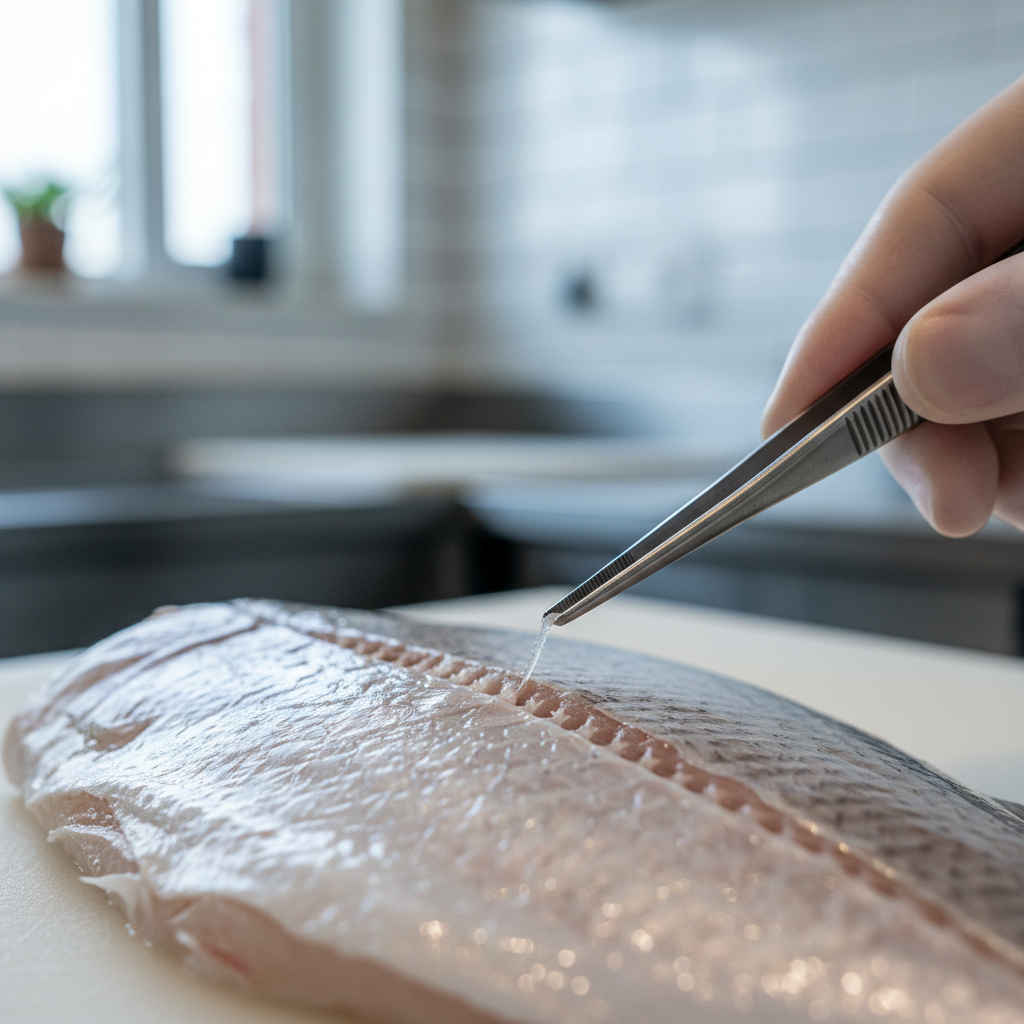
Each state in the U.S. has its own set of fishing regulations, often influenced by local ecosystems and fish populations. For example, states with large coastal areas like Florida and California have distinct rules for saltwater fishing, while inland states may focus more on freshwater species. Additionally, tribal lands may have their own regulations, which can differ from state laws.
How to Stay Informed
Staying informed about local fishing regulations is key to responsible angling. Here are some ways to keep up-to-date:
- Check the state wildlife or fish and game department's website for the latest regulations.
- Consult local fishing guides or tackle shops, which often have the most current information.
- Consider downloading apps that provide real-time updates on fishing laws in your area.

Getting the Right Permits
Most states require fishing permits or licenses, which are often available for purchase online or at local retailers. These permits not only grant you the legal right to fish but also contribute to conservation efforts, as funds are typically used for wildlife management and habitat restoration.
Penalties for Non-Compliance
Failing to comply with fishing regulations can result in significant penalties, including fines, license suspensions, or even legal action. It's essential to understand that these laws are in place to protect the environment and ensure that everyone can enjoy fishing responsibly.
In conclusion, understanding and adhering to local fishing regulations is a crucial part of being a responsible angler. By staying informed and compliant, you help ensure the sustainability of fish populations and the health of aquatic ecosystems. Happy fishing!